Compressor Tee Fittings: Brass vs Stainless Steel Comparison

Compression fittings offer a dependable method to couple copper pipes, eliminating the need for welding or solder work. Both professional plumbers and hands-on homeowners rely on these connectors for swift repairs and installations. The assembly consists of the fitting body, a compression ring ferrule, and a compression nut. As the nut is tightened, it compresses the ferrule and forms a tight seal around the tube.

To support a successful installation, use a few essential best practices. Start by creating square cuts and deburring the tube end. Next, check the end for any damage. Then, hand-tighten the nut before using a wrench. It is important to use two wrenches to avoid the pipe from twisting. Avoid overtightening, and never reuse a ferrule that has already been compressed if you want a dependable, leak-free joint.

Compression fittings are often preferred over soldering for many applications. They eliminate the need for a flame and are reusable in many scenarios. Their ease of installation in tight spaces is a valuable advantage. However, they are bulkier than soldered joints and may not be ideal in high-stress locations or hidden areas that are hard to inspect. For best results, use matched parts and follow the manufacturer’s torque or turn-count instructions.

  • Compression fittings connect copper tubing without solder or flame.
  • The primary parts are the fitting body, ferrule or olive, and compression nut.
  • Prepare tubing with square cuts and deburring for reliable seals.
  • Use two wrenches, tighten carefully, and avoid overtightening to reduce leaks.
  • Select brass or other compatible materials and follow the manufacturer’s instructions.

How Compression Fittings Work And What They Are

A compression fitting joins tubing without requiring solder, flame, or heat. They use a straightforward threaded connection. This connection tightens a ring against the pipe to form a seal. They are especially valuable in confined areas and field repairs where a fast, dependable connection is needed.
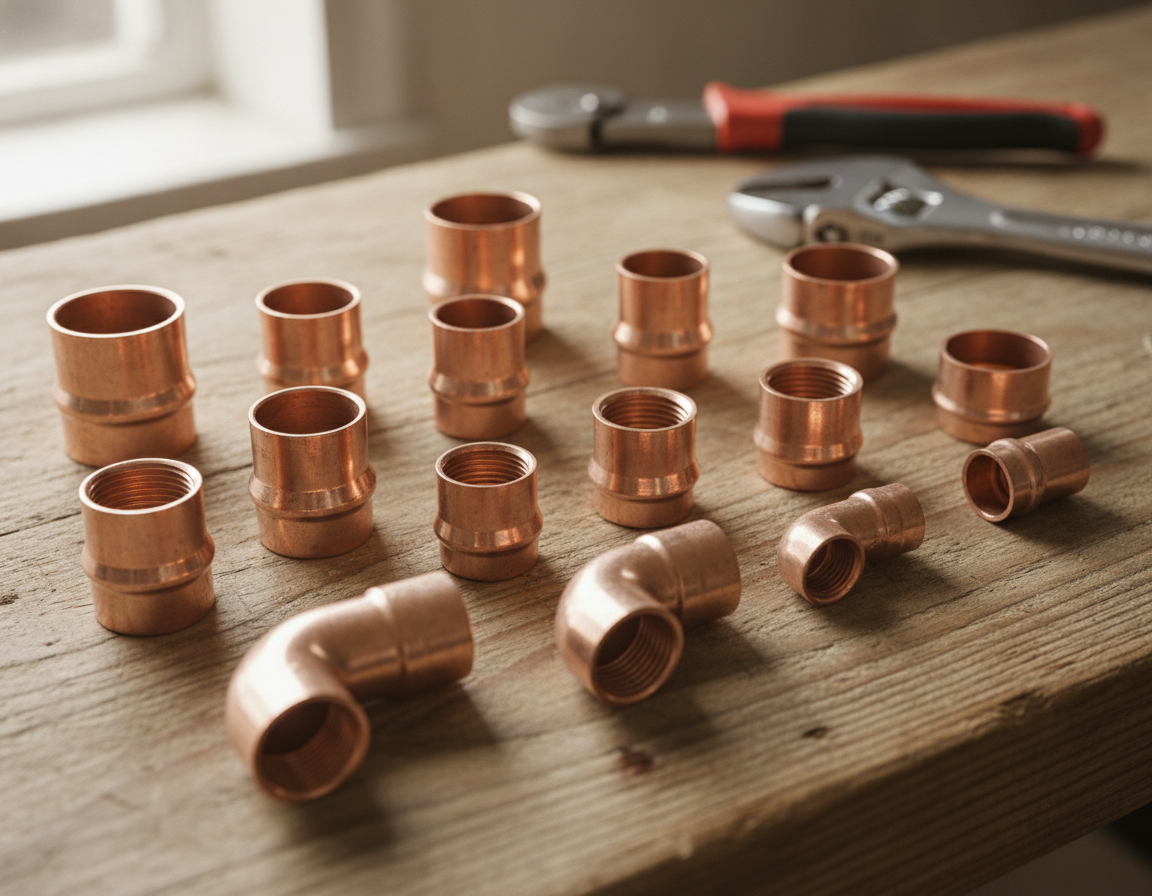
Compressor Tee

Main Components

The main pieces are the fitting body, the ferrule, and the tightening nut. The body contains the seat and thread. The ferrule, also called an olive, is positioned between the compression nut and the pipe. The compression nut threads onto the body to move the ferrule forward.

Compression Sealing Principle

Sealing works by radial compression. When the compression nut is tightened, the ferrule is moved into the tapered bore of the fitting body. This motion forces the ferrule to deform slightly and press against the tubing outer diameter.

This creates a line-contact seal that secures the tubing and helps resist leakage. The ferrule’s shape and material have a significant effect on seal performance when pressure or temperature changes.

Common Names And Variations Across Industries

Different trades use different terms for the same idea. You may hear compression joint, compression couplings, or compression nut in plumbing supplies and HVAC catalogs. Instrumentation suppliers may list compression joints and compression fittings plumbing next to flare fittings, push-fit connectors, and other mechanical options.

Industry Term Common Use Primary Detail
Compression fitting nut Domestic plumbing and gas runs Tightening action compresses the ferrule
Ferrule HVAC, refrigeration, instrumentation Deforms to seal and grip tubing
Compression joint Field repairs and connections No-solder joint often serviceable later
Compression couplings Pipe extensions and joins Two-ended compression seal
Compression plumbing fittings General plumbing installations Wide material options and sizes

Copper Tubing Compression Fittings

Material selection is central to compression-joint performance. It affects seal quality, long-term durability, and corrosion risk. Copper fittings are usually a compatible match for copper tubing. Their similar thermal expansion characteristics help maintain consistent metal contact.

Brass compression fittings, on the other hand, provide ductility. That ductility helps the fitting form a reliable seal without unnecessarily damaging the tube.

Stainless steel compression fittings are ideal for high-pressure or high-temperature systems. They also withstand many aggressive fluids. Plastic compression fittings may be suitable for low-pressure household water lines. They avoid metal-to-metal contact, which can cause dissimilar-metal issues.

Materials should be matched to the job, pressure rating, temperature, and fluid type. In refrigeration and many plumbing uses, copper or brass parts are often selected. They reduce mixed-metal stress. When high mechanical strength is required, stainless steel is often the better choice. Just remember, its harder ferrules can deform soft tubing if not sized correctly.

When using copper tubing, do not use it with carbon steel or other dissimilar metals. Galvanic corrosion can quickly accelerate deterioration where the metals meet. This cuts down the service life. If mixed metals are unavoidable, use dielectric unions, insulating sleeves, or choose compatible materials to limit electrical contact.

Before assembling, check the tubing’s finish and wall rigidity. A proper surface quality helps ensure ferrules bite evenly and form a lasting seal. Always follow the manufacturer’s guidance for material compatibility. This limits leaks and extend the life of the joint in the field.

Copper Tubing Compression Tee Sizes And Types

The correct compression tee depends on flow requirements, available space, and tubing size. These fittings are essential in plumbing, refrigeration, and instrumentation. Ensuring a proper fit between ferrule geometry and body taper is critical to preventing leaks.

Compression Tee Variants For Tight Spaces

Straight tees support full flow through three aligned ports. Branch tees send flow into a side line without sharp turns. Compact tees install into tight spaces where standard tees won’t. They support common residential sizes, including Compression Tee 1/2.

Common Compression Tee Sizes And Cross-Fit Choices

Installers commonly choose parts by tube OD or nominal size labels. Popular choices include the 1/4 Compression T Fitting and the 1/2 Compression T Fitting. For small-diameter tube runs, the 1 4 Tee is often used. Larger branches often call for 1/2 Inch Compression Fitting or 1/2 OD Compression Fitting options. Cross-fit adapters, like 1/2 X3/8 or 3/8 X 1/2 Compression Fitting, support mixing sizes when needed.

Mixed-Size Tees And Adapter Choices

Combination tees like the 1/2 X 1/2 X 3/8 Tee are used for size transitions. A 1/2 X3/8 adapter steps a 1/2 line down to a 3/8 branch. The 1 2 To 1 4 Compression Fitting gives a compact reduction for instrumentation taps, sensors, or small branches.

Brass Tee And T-Joint Options

Brass is often selected for copper tubing because it offers corrosion resistance and compatible thermal expansion. Look for T Brass Fitting options for long-lasting joints. The 1/2 Brass Tee and 1/2 Tee Brass are common choices for main lines and branch runs. Before mixing brands, confirm thread pitch, ferrule fit, and body taper for a reliable seal.

Tee Type Typical Use Typical Size Names Material Considerations
Straight Compression Tee Main run with branch inline 1 4 Tee and Compression Tee 1/2 Brass preferred for copper tubing
Side Tee Side branch off the main line 1/2 Compression T Fitting, 1/4 Compression T Fitting Match ferrules with fitting bodies
Compact Tee Confined locations and wall spaces Compression Tee 1/2, 1/2 Inch Compression Fitting Compact body with the same compression sealing action
Mixed-Size Tee Changing size for branches or sensors 1/2 X 1/2 X 3/8 Tee, 1/2 X3/8, 3/8 X 1/2 Compression Fitting Step-down adapters are available for small branches
Brass T Joint Durable copper-compatible branches T Brass Fitting, 1/2 Brass Tee Good copper match when pitch and taper are correct

When To Use Compression Fittings Vs Soldering Or Other Methods

The best joining method depends on the job conditions, code requirements, and fitting capability. Compression fittings work well in confined areas or near flammable materials because they require no flame. Soldering, on the other hand, is better for creating a lasting bond in visible, permanent installations.

Why Compression Fittings Help In Tight Spaces

No-flame fittings are practical for emergency repairs and retrofitting, as they avoid the need for hot work permits or torches. They usually need only basic hand tools, which makes them useful for fast repairs. Reusing these fittings is sometimes practical in systems with low stress, which is beneficial for testing or replacing sections.

Profile Limits And Durability Concerns

Compression fittings introduce bulk compared to soldered seams. Once ferrules bite into the tube, fittings can be difficult to remove and reuse. Over time, vibration or pulsation can make fittings to loosen, making soldered or brazed connections more suitable for high-stress applications.

Application Decision Guide

For plumbing repairs in tight spaces, compression fittings are useful when a no-flame connection is needed. For visible runs where appearance is important, soldering is the better choice.

In some gas-line work, compression fittings may be used for short runs. Always check local codes and use approved materials. Inspect joints regularly so safety is maintained.

For HVAC and refrigeration, select copper fittings rated and designed for refrigerants. For heavy thermal cycling, brazed or flare connections may last longer than compression fittings. Compression fittings such as a Compression Tee Fitting or T Compression Fitting can suit service taps, testing points, and temporary connections.

For instrumentation, select fittings that support leak-tight, high-pressure, or high-purity lines. Stainless-steel compression fittings can perform very well, but pressure and media ratings must be confirmed before use.

Selection Factor Compression Joint Soldered/Brazed Joint
Installation Tools Basic wrenches and few tools Heat source, flux, solder, or filler metal
Repair Speed Quick for many repairs Slower setup, longer cure/cool time
Joint Size Bulkier fitting body Slimmer finished appearance
Serviceability Limited reuse depending on ferrule condition Permanent bond not intended for reuse
Vibration resistance Can loosen under vibration if unsupported High; rigid joints
Typical Applications Quick repairs, service branches, and accessible joints Permanent pipe runs and neat visible work

Match the fitting type to the system’s needs, following pressure, temperature, and material compatibility guidelines. Compression fittings, including Compression Tee Fittings or T Compression Fittings, are appropriate for plumbing, gas lines, HVAC fittings, and instrumentation when serviceability or a no-flame approach is necessary.

Installation Best Practices For Reliable Compression Joints

A reliable installation starts with careful preparation and a clear assembly sequence. Every step matters because poor preparation can cause leaks or damage. This guide will walk you through installing compression fittings on copper tubing and when to seek parts or tools from Installation Parts Supply.

Preparing copper tubing correctly is essential for a good seal. Cut the tube squarely with a tubing cutter, then remove burrs with a reamer or deburring tool. Inspect the tube end for any nicks or deformations. Clean the tube and check the fitting and ferrule for damage before starting the assembly.

Start by sliding the nut onto the pipe with the threads facing the tube end. Then place the ferrule or olive onto the pipe. Push the pipe fully into the fitting body and make sure the ferrule is positioned correctly. Hand-tighten the nut, then use a wrench to align the parts before applying final torque.

Correct tightening is key to a secure seal. Use two wrenches to stabilize the fitting body while tightening the nut. Follow the manufacturer’s turn-based instructions instead of relying only on torque readings. Do not over-tighten, because too much force can flatten the ferrule and cause leaks.

Replacement ferrules are often necessary after disassembly. Once an olive or ferrule has been compressed, it should not be reused. If the ferrule is stuck, remove it with a ferrule puller or carefully cut it off without damaging the tube or fitting body.

Plastic tubing usually needs an insert to maintain shape under compression. Copper tubing does not need inserts. After reassembly, slowly open the supply and check for leaks. If necessary, tighten incrementally. For compatible parts and detailed specifications, refer to Installation Parts Supply.

Ferrule Design Details That Affect Compression Performance

The choice of ferrule significantly impacts a compression joint’s performance under pressure and over time. Both one-piece and two-piece ferrules have benefits, limitations, and installation considerations. Ferrule design must match the tubing material, tube size, and fitting body geometry to create a secure, lasting seal.

Ferrule materials and shapes

Brass and stainless steel are the most common materials for ferrules. For chemical resistance, high temperature, or specialty service, graphite or specialty alloy ferrules may be used. A single-piece ferrule is simpler to install and works well with softer copper tubing. On the other hand, a two-piece ferrule includes a rear ferrule, preventing rotation and galling, which is essential for stainless systems.

Choosing asymmetrical or symmetrical ferrules

An asymmetrical ferrule must be installed in the correct direction to support consistent performance. It is commonly preferred where reliability requirements are high. In contrast, a symmetrical ferrule can be installed in either direction, making it quicker to assemble. However, it may perform less reliably on hard plastics where OD tolerance variations can contribute to leaks.

Seal geometry: line contact vs surface contact

The design of the ferrule controls whether it uses a line contact or surface contact seal. Line-contact seals often resist creep and vibration better. Over-tightening can, though, convert a line contact seal into a surface contact, increasing the risk of leakage over time.

Tubing considerations and material behavior

Metal tubing needs smooth walls and accurate square cuts so the ferrule seats properly. Copper tubing from coils can have slight shape irregularities that influence sealing. Soft plastics and PTFE can creep or cold-flow under compression, which may reduce seal integrity over time.

Mitigations for PTFE cold flow and soft tubing

To reduce PTFE cold flow, consider tubing inserts, backup seals, or internal O-rings. Hardened ferrules can also help distribute the load. In high-pressure or high-purity environments, select materials and lubricants that minimize galling and residue. Ensure that the ferrule material matches the tubing and application requirements to maintain a reliable seal throughout its service life.

Common Installation Mistakes And Troubleshooting Techniques

When troubleshooting compression fittings, start with the basics: check the nut tightness, tubing alignment, and ferrule condition. Minor leaks often come from under-tightening, poor tube seating, or a mis-seated ferrule. To avoid damaging the tubing, stabilize the fitting body with one wrench while tightening the nut with another.

Problems from overtightening can lead to pipe deformation, crushed ferrules, and persistent leaks. Over-tightening can damage the copper tubing or flatten the ferrule, leading to a poor seal. If you notice flattened tubing or a gouged ferrule, it is best to cut back the tubing and replace it with a new ferrule and nut.

Under-tightening can leave a small gap that allows slow seepage. For minor weeps, apply small, incremental turns with a wrench until the leak stops. Use gradual tightening to avoid over-compressing the ferrule while still achieving a reliable seal.

Misalignment and twisting stop proper ferrule compression. Ensure the tubing enters the fitting straight and fully. A misaligned ferrule can become stuck, making removal difficult. To remove a stuck ferrule, use a ferrule puller or cut it off and replace it, being careful not to damage the tubing.

Identifying and fixing leaks starts with checking ferrule seating, tube condition, and fitting parts. Replace any damaged ferrule, nut, or fitting body. For a quick fix, incremental tightening can stop small leaks until a proper repair can be scheduled. If leakage continues, re-cut the tube end, replace damaged parts, and reassemble the fitting.

Dealing with corrosion and galling calls for corrective repair and preventive material selection. Corrosion can pit sealing faces and cause repeat leaks. Galling can seize the nut and body, making disassembly difficult. Apply penetrating oil to stuck nuts and allow time for soaking. If threads, tapers, or sealing faces are damaged, replace the affected parts.

Correct material selection helps prevent corrosion, galling, and premature failure. Avoid pairing carbon steel with copper to prevent galvanic reactions. Select ferrules and fittings suitable for your system’s chemistry and temperature. In cleanroom or high-purity service, volatile cleaning agents may increase galling risk, so use anti-galling ferrules and approved compatible lubricants where permitted.

Stuck nut recovery usually starts with penetrating oil and careful patience. If the nut won’t budge, cutting and replacing the nut and ferrule may be faster than prolonged attempts. Use proper tools to avoid damaging the fitting body.

When a compression joint is not the right choice, other joining methods should be considered. Systems with constant vibration, dynamic stress, or low-profile requirements may be better served by soldered, crimped, flared, or welded connections. Compare soldering vs compression for permanence, profile, and code requirements when planning a repair or new installation.

Problem Probable Cause Immediate Fix Long-term Solution
Small weep Under-tightened nut or mis-seated ferrule Incremental tightening with two wrenches Re-cut tubing and rebuild with new compression parts
Leak continues after tightening Crushed ferrule or distorted tubing Cut back tubing, fit new ferrule and nut Use manufacturer tightening guidance every time
Ferrule or nut will not release Galling or ferrule swaging Soak, pull, or carefully cut away the part Replace affected parts; choose anti-galling materials
Corrosion or pitted seal Galvanic reaction or aggressive fluids Replace corroded parts Choose correct materials and confirm code compliance
Leak under vibration Compression fittings not intended for dynamic stress Support lines and reduce movement Choose soldered, welded, crimped, or flared alternatives

Conclusion

Copper Tubing Compression Fittings conclusion: compression fittings provide a versatile, flame-free solution for copper tubing in various fields. They work well when materials are matched and installation techniques are followed correctly. Brass, copper, stainless steel, and some plastics can be compatible when galvanic corrosion and thermal mismatch are avoided.

The Installation Parts Supply guide advises replacing ferrules during reassembly and ensuring fittings are tightened to manufacturer specifications. This helps maintain reliable sealing.

Compression fittings are useful for quick repairs, tight spaces, and joints that may need future service. They have limitations compared to soldered connections. Long-term performance depends on ferrule design, tube quality, material compatibility, and correct assembly order.

In high-pressure or high-vibration service, choose ferrules and fittings rated for those conditions. Consider alternative joining methods when necessary.

This summary emphasizes the importance of routine checks and careful installation. Ensure cuts are square and deburred. Use the sliding nut and ferrule correctly, add an insert where required, hand-tighten first, and finish with measured wrench turns.

Follow manufacturer guidelines for torque or turn-based tightening to prevent leaks or damage. For parts and compatible ferrules, consult suppliers. They should offer 1/4 Compression T Fitting, 1/2 Compression T Fitting, and brass tee options to match your project.
Comparing John Guest Equal Elbows vs Reducing Elbows

John Guest provides a wide array of plumbing fittings, valves, tubing, and accessories for many different uses. They are used in residential, commercial, and vehicle fluid systems. John Guest’s commitment to push-fit plumbing solutions prioritizes simplicity and speed. As a result, they are a preferred option among contractors and DIY enthusiasts in the United States.


The fittings are produced from plastics and manufactured with precision. This results in strong durability and dependable use in drinking water applications. The system helps reduce installation time and labor costs, helping maintain performance under daily use.

John Guest Fittings Distributors plus ecommerce retailers offer the product line extensively. Installation Parts Supply carries John Guest items. This supports quick ordering and consistent fulfillment to installers and hobbyists alike.

Quick Summary

  • John Guest push-fit fittings combine simple push-fit installation with durable, food-safe materials.
  • Products suit home plumbing, RV systems, and commercial installs where quick fitting saves time.
  • Easy product access through John Guest Fittings Distributors and online stores helps buyers find parts quickly.
  • Engineered plastic materials helps meet water-safety and durability needs.
  • Installation Parts Supply is a reliable U.S. online supplier for genuine John Guest products.

John Guest Fittings Distributors

How John Guest Innovation Improves Plumbing Performance

John Guest design helped transform plumbing by introducing secure connections that are both speedy and straightforward. The move away from solder and threaded joins greatly cut installation time and reduced leak risks on active sites. The change became popular by trade professionals in the United States and abroad, thanks to the repeatable results it delivers under routine pressures.

The brand’s development began in 1961, introducing a innovative push-fit concept for compressed air and telecoms. That original idea later became the Speedfit push-fit plumbing systems used today in various settings. The system uses a stainless steel gripping ring and an O-ring seal, creating permanent, leakproof joints without the need for special tools.

Centralized research, development, and manufacturing ensure high product quality. These operations are handled in purpose-built facilities in West London and Maidenhead, Berkshire. This setup allows engineers to oversee each stage from prototype to production, confirming performance targets and consistency are met.

John Guest provides technical assistance to aid engineers and installers in planning systems accurately. Services include CAD drawings, recommended pipe layouts, flow rate guidance, and commissioning advice. These tools help prevent errors on site and support faster completion for contractors working with John Guest fittings.

Original equipment manufacturers depend on the brand for various applications due to strict testing and quality processes. Manufacturing adheres to ISO 9001 processes, and products undergo careful validation before release. That dependability helps make John Guest Fittings Distributors a popular choice for contractors seeking certified parts and consistent supply.

Category Main Advantage Practical Impact
Tool-free connection technology Simple joints using stainless grip technology and O-ring sealing Speedier work, fewer leak issues, and better labor efficiency
In-house product development and manufacturing Consistent control from prototype to finished part Reliable quality plus faster product improvement
Installer support Design, layout, flow, and commissioning support Fewer planning mistakes and easier project delivery
Trade acceptance Used in beverage systems, automotive work, and building services Field-proven use across challenging sectors
Distribution network Authorized sources for real John Guest parts Reliable sourcing through John Guest Fittings Distributors

Specifying genuine components avoids mismatched seals and lowers callback risk. Buyers using verified John Guest Fittings Distributors gain access to genuine products and documented support. This choice protects warranties and protects overall system performance when Speedfit push-fit solutions are installed.

Even with tight budgets, the long-term savings in labor and reduced downtime justify the use of John Guest products. John Guest’s long record of practical innovation and field-proven performance continues to shape modern plumbing practice. Proper John Guest listings and informal misspellings, ohn Guess Fittings, sometimes appear in nonofficial mentions.

Materials, Certifications, And Longevity Of John Guest Components

John Guest focuses on creating fittings and pipe systems for long-term use. Its products use food-safe polymers for water and Polybutylene-1 PB-1 for Speedfit-compatible pipes. This results in lightweight, flexible tubing that resists corrosion and is safe for hot water.

PB-1 pipe is easy for installers to work with, has low memory, and is layflat. It also has low thermal conductivity, helping stabilize water temperature. It helps lower noise levels and is lead-free, aligning with current health standards.

Speedfit products are made for durable use. Numerous parts are engineered to last up to 50 years. Certain products may include a 25-year guarantee, ensuring they perform well under normal conditions.

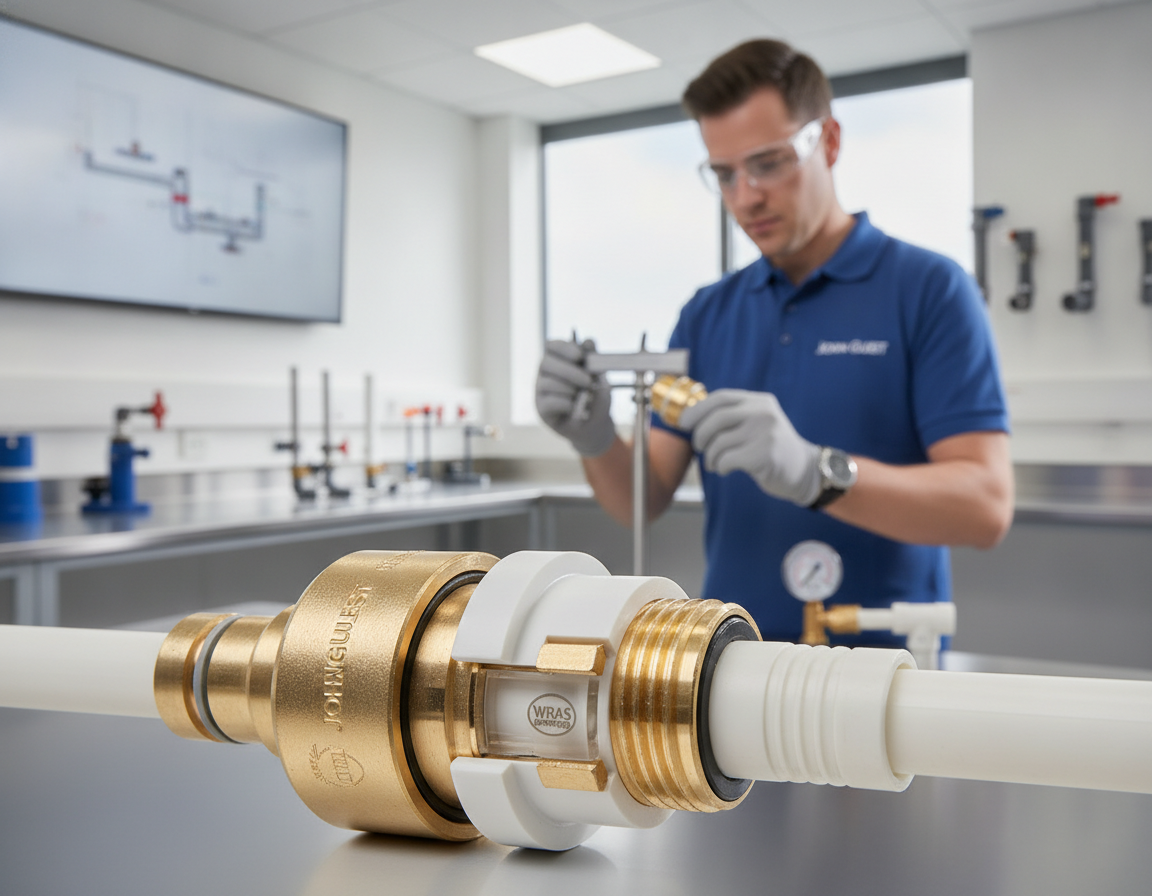
The brand’s products are produced to recognized standards. Manufacturing is handled under ISO 9001 management and have WRAS approval for potable water use. Fittings and pipes may also carry the Kitemark BS7291, supporting compliance and traceability.

External recognition strengthens installer trust. JG Layflat PB-1 pipe has been approved by British Gas for JG Layflat PB-1 pipe for UK installations. This approval increases confidence among contractors and specifiers in the U.S.

The John Guest catalog includes many products. The range includes more than 3,000 items, including plumbing fittings, MDPE push-fit ranges, flexi hoses, and underfloor heating components. This variety allows for complete system supply, not just single parts.

Approvals, material engineering, and validated design life give professionals confidence in Speedfit systems. The WRAS approval and Kitemark BS7291 give clear evidence. Durable polymer engineering and Polybutylene-1 PB-1 ensure the promised Speedfit life expectancy for many installations.

Installation Advantages: Speed, Simplicity, And Labor Savings

Modern plumbing systems benefit greatly from quick, reliable connections. Push-fit technology gives installers a practical advantage over soldered or crimped joints. The approach saves time on site and eliminates the need for specialized tools.

The process of push-fit installation is straightforward and tool-free. The installer first cuts the semi-rigid pipe square with a pipe cutter. Next, press the pipe firmly into the fitting until it reaches the internal stop. Gently pull back to engage the grip ring and confirm the O-ring seal. To remove the pipe, push in the collet and pull out the pipe.

Speedfit installation eliminates the need for soldering, compression tools, clips, clamps, or sealants for standard connections. The fittings can be demounted and reused. This helps make home projects more manageable and speeds up professional plumbing work.

The efficiency benefits are considerable. These connections may reduce by half the time needed for common runs. That efficiency helps create lower onsite labor costs and faster project completion for contractors using John Guest products.

A wide range of applications benefit from fast installation. Typical uses include domestic hot and cold water, central heating systems, and underfloor heating with PB-1 layflat pipe. RV and campervan plumbing also benefits from compact, serviceable joints.

Drinks dispensing, commercial systems, and pneumatic applications also benefit from rapid reconfiguration. Demountable fittings allow for quick repairs and system changes without major disruption. Installers can adjust layouts on the fly when using John Guest components.

Finding genuine parts is essential for performance. Reliable John Guest Fittings Distributors offer certified components that meet industry standards. Be cautious of misspellings such as ohn Guess Fittings; always check packaging and supplier credentials when sourcing parts.

Installation Factor John Guest Push-Fit Installation Conventional Methods
Installation tools A pipe cutter is generally enough Heat tools, compression tools, or crimping equipment
Job speed Rapid jointing; often reusable Usually slower because tools and setup are required
Reusability Demountable and reusable fittings Often permanent; replacement needed
Ideal uses Residential, mobile, underfloor, and commercial systems Installations requiring particular traditional joint types
Supplier note Best purchased through John Guest Fittings Distributors Broad supplier base, but approvals should be verified

How John Guest Compares To Other Fittings And Systems

The fitting you choose influences installation speed, reliability, and long-term performance. This section looks at the trade-offs between John Guest push-fit solutions and barbed hose fittings. It also considers the advantages of Speedfit systems paired with PB-1 pipe.

John Guest push-fit products are intended for semi-rigid tubing, such as Speedfit PB-1 and PEX. They feature stainless steel teeth and an O-ring seal for a tool-free connection. The result is installation that is faster and more efficient, especially useful in tight spaces and retrofit work.

Traditional barbed fittings work well with flexible hose and require clamps or jubilee clips for a secure connection. This clamp-based approach offers high mechanical strength, especially in high-vibration or external hose applications. Installers often prefer barbed fittings at pumps or tanks where hose flexibility and movement are expected.

On real jobs, mixed connection systems are often used. A common layout uses barbed fittings at pump outlets and tank connections. From there, it can transition to John Guest push-fit behind cabinets for a neat, serviceable run. This combination balances flexibility, vibration resistance, and the clean look of Speedfit installations.

Polybutylene-1 PB-1 provides long coil lengths that reduce joints and layflat behavior for easier threading through joists. The pipe stays more flexible in colder conditions and has low thermal conductivity for hot water, improving energy performance. PB-1 is lead-free and non-toxic, providing acoustic advantages over some alternatives.

When comparing John Guest vs barbed fittings, consider the pipe type, vibration exposure, and the need for future reconfiguration. In new construction, Speedfit plus PB-1 benefits often reduce labor time and joint count. For mobile systems and vibration-heavy applications, barbed fittings with clamps are a safer choice.

Sourcing authentic components is essential. Buy from authorized John Guest Fittings Distributors to ensure product authenticity and warranty coverage. Look out for mislabeled items; the market sometimes lists incorrect products, such as ohn Guess Fittings that mimic established brands.

Trusted John Guest Distributors And Buying Sources In The United States

Authentic components are essential for every plumbing task. Choose authorized John Guest Fittings Distributors to preserve warranty coverage and validate WRAS, BBA, or Kitemark certifications. Look for sellers that have extensive product lines, master distributor status, and robust technical support.

Confirm the markings on each product and ask for documentation if required. Check that the fittings match Speedfit PB-1, PEX, or copper before making a purchase. Dependable distributors provide datasheets, compatibility advice, and clear return and warranty policies.

Distributor qualifications to look for

  • Long-term inventory history and master distributor standing for John Guest products
  • Available documentation, technical help, and fitting advice
  • Authenticity guarantees and steady inventory of push-fit fittings

Buying online through Installation Parts Supply

Installation Parts Supply operates as a U.S.-based online source known for its John Guest component inventory. Customers buying John Guest USA from trusted outlets like Installation Parts Supply enjoy access to technical sheets, competitive pricing, and verified product availability.

Helpful buying guidance for plumbers and contractors

  1. Confirm product markings and match them to manufacturer codes.
  2. Ask suppliers for certification documents when WRAS or BBA claims are important.
  3. Verify compatibility with PB-1, PEX, and copper before ordering.
  4. Check stock levels and return policies before placing an order.

Buying from established John Guest Fittings Distributors reduces risks from counterfeit parts. For John Guest USA orders, prioritize suppliers that offer transparent technical support and proven supply history. That supports reliable installation and long-term performance.

Closing Notes

John Guest components have reshaped plumbing with their advancements over decades. Beginning with UK manufacturing in 1961, they’ve established a reputation for quality. Their ISO 9001 certified processes support reliability in push-fit fittings and PB-1 piping. Many products carry global approvals like WRAS and BBA, promising longevity in both home and commercial settings.

For those who install or DIY, the benefits are easy to see. Speedfit and PB-1 systems offer quick, tool-free connections. That cuts labor time and limits possible leaks. They work well in underfloor heating, campervan and RV plumbing, and various industrial applications where durability is key.

When choosing components, ensure you buy from authorized John Guest Fittings Distributors. Sourcing from trusted outlets like Installation Parts Supply protects warranties and certifications. Make sure you review the distributor’s credentials and product documentation. That helps confirm the John Guess Fittings you install meet the claimed performance and approvals.

Related: The Pressure Washing Elite in Johns Creek, GA

Shurflo RV Pump Protection: How to Prevent Freeze Damage

Understanding the value of a Shurflo 12 Volt Pump is key for RV and marine water systems. Whether you are in a travel trailer, campervan, or powerboat, the right Shurflo RV Pumps are critical. Pump choice directly influences pressure delivery, operating noise, and long-term dependability.


Shurflo offers a selection of models, each designed for specific needs. The Aqua King II 4128 and 4138 provide 2.0–3.0 GPM, with a co-molded diaphragm and internal bypass for smooth operation. For tight installations, the 105 is a compact choice that suits small systems well. The Revolution series combines smooth performance with specifications often used in OEM RV setups.

This guide will compare the Shurflo 2088 Pump legacy with newer models. You will also find setup, operation, maintenance, and selection guidance for U.S. RV owners and marine users.

Important Points

Shurflo 12 Volt Pump

Why A Shurflo 12 Volt Pump Works Well For RVs And Boats

Choosing the right pump can significantly change daily life for people on the move. Shurflo 12 Volt Pumps are engineered for consistent pressure and long service life. Because they are compact and use modest power, they work well in 12V systems found in RVs, trailers, and small boats.

Proven Performance And Brand Trust

Shurflo RV Pumps are widely known for dependable service in both RV and marine systems. For example, the Aqua King II line uses a sealed motor and switch to help guard against moisture exposure. An electro-coating further resists corrosion, making these pumps durable in saltwater environments. These features strengthen Shurflo’s reputation among boaters and RV enthusiasts who want durable gear.

Main Advantages For RV And Boat Water Systems

A number of Shurflo models include a one-piece diaphragm and internal bypass to smooth flow. The Revolution-series pumps are popular because they combine reasonable cost with reliable performance and common OEM compatibility. In tight spaces like campervans, the low-flow Shurflo 105 can be a smart option.

These pumps also include thermal overload protection and dry-run capability for safer intermittent use. Their quiet operation and consistent pressure make them useful for showers, sinks, and kitchens in RVs and boats.

Choosing the correct pump size is easier because Shurflo offers models from low-flow to multi-fixture capacity. That variety allows owners to weigh flow, power use, noise, and price. They can also rely on Shurflo’s long-standing reputation for quality.

Shurflo 12 Volt Pump: Models, Specs, And Best Uses

Choosing a Shurflo 12 Volt Pump starts with a careful look at model differences and pump specifications. Small vehicles and boats need compact pumps with modest flow rates. Bigger RVs and marine systems often do better with mid-range units or the Shurflo Revolution series. These options provide higher pressure and quieter operation.

The low-flow category includes compact designs that fit tight spaces and deliver steady performance. These pumps suit campervans, small trailers, and galley sinks where space and power draw matter most.

Mid-range models are designed for family use. They provide a useful balance of flow and pressure for showers, several taps, and basic onboard plumbing. The Shurflo 2088 Pump appears here as a legacy reference for comparing service parts and long-term reliability.

The Shurflo Revolution line offers a more modern approach, using a one-piece diaphragm, internal bypass, and quieter running design. Because they support higher shutoff pressure and better flow, these units are a popular upgrade for RV owners wanting improved performance.

The table below compares representative models and key pump specifications to help you choose the best fit.

Shurflo Model Approximate Flow Shutoff Pressure Self-Priming Recommended Application
105 Compact Pump ~1.0 GPM 30 PSI Approximately 2.5 ft Tight spaces and low-flow systems
Aqua King II 4128 Approximately 2.0 GPM Variable shutoff As much as 6 ft Medium demand cabins, boats
4138 Aqua King II 3.0 GPM Variable shutoff Approx. 6 ft maximum Multiple fixtures, larger systems
Shurflo Revolution (4008 series) About 2.3–3.0 GPM ~55 PSI Self-priming RV upgrades, OEM replacements
Triplex family (legacy) Varies Varies Depends on model Legacy comparison for Shurflo 2088 Pump parts

Performance trade-offs are important. Higher PSI can produce stronger faucet output, yet backpressure and low voltage may reduce real-world flow. Voltage sensitivity of about ±10% affects output, so wiring and battery condition shape results.

Pump capacity should match the number of fixtures and the complexity of the plumbing layout. For instance, the 4138 is often suitable for up to three fixtures in a balanced system. A 4128 suits two fixtures or simpler systems. Consider plumbing run length and fittings when reading pump specs.

Long-term ownership is influenced by how easy the pump is to service and how available parts are. Even though many owners now choose Revolution or Aqua King models, the Shurflo 2088 Pump remains a useful reference for repairs, parts matching, and older-system comparisons.

Installation Best Practices And Parts For Quiet Reliable Operation

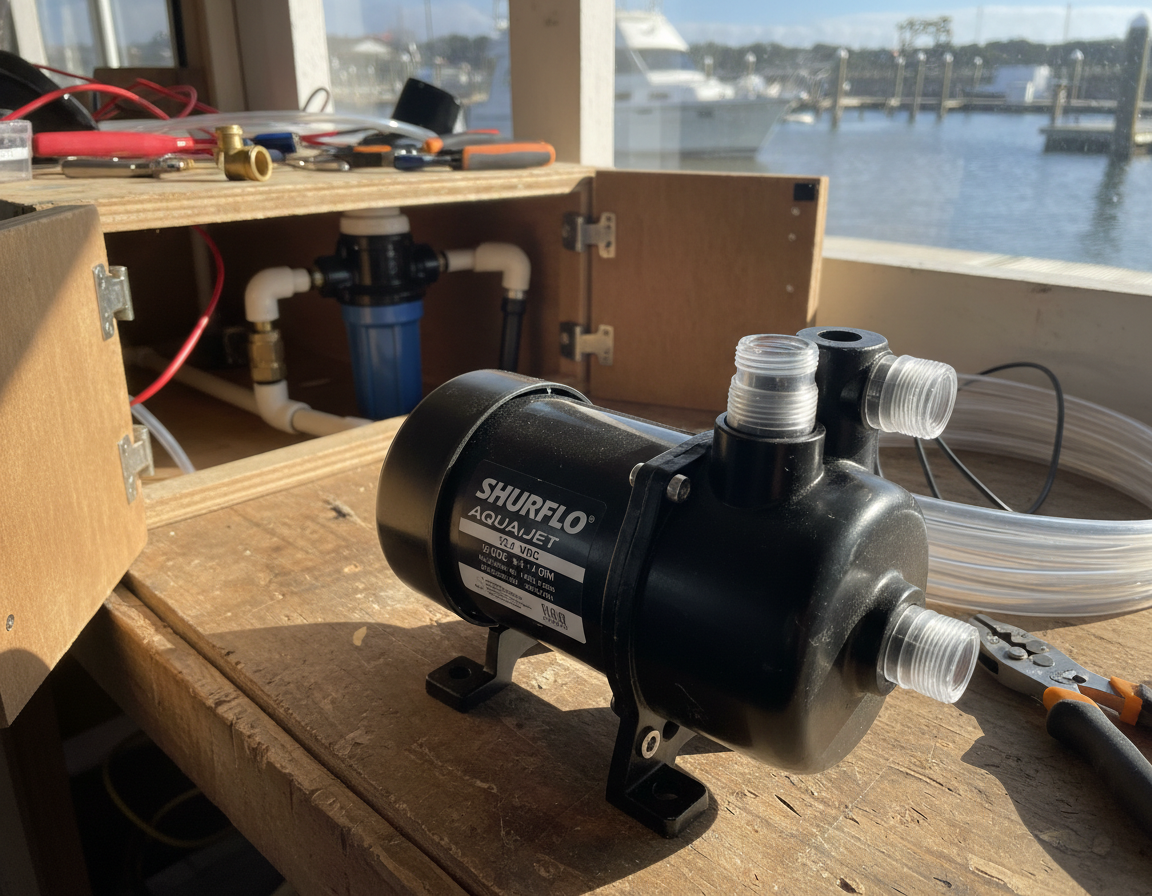
Start by choosing a pump location with both mounting stability and future service access in mind. Mount it within six feet of the tank to help priming and extend service life. Allow at least one cubic foot of space for ventilation and access. Use a firm mounting surface so vibration, rattling, and operating noise are reduced.

Most of these pumps can be mounted in any orientation. Position it so strainers and service points remain easy to reach.

Install flexible high-pressure hose on the inlet and outlet to reduce vibration transfer and plumbing stress. Use a minimum 1/2″ ID (13 mm) hose, and avoid connecting rigid pipe directly to the pump ports. Anchor the flexible hose where it meets hard plumbing and leave about 18 inches of hose where practical to isolate vibration.

Install a 50-mesh inlet strainer, including suitable 50- or 255-series options, to keep debris out of the pump.

Reduce elbows, narrow fittings, restrictive valves, and small-diameter sections to avoid cavitation, backpressure, low flow, and extra noise. By-pass style pumps rarely need an accumulator, but add one if you want to reduce cycling. In many setups, quick-connect hose kits provide neat, serviceable connections and help keep the plumbing quieter.

Wire the pump on a dedicated circuit sized for the model’s listed fuse. Most 12V Shurflo models require at least a 10 amp circuit. Follow the motor-label fuse value, and for boats use an ignition-protected marine switch rated at 15A or higher. Follow a wire-size chart to limit voltage drop: 0–25 ft = 16 AWG, 25–50 ft = 14 AWG, 50–70 ft = 12 AWG, and 70–110 ft = 10 AWG for a 12V/10A circuit. Always shut off pump power when leaving an RV or boat unattended.

Route positive wiring as short as practical and keep it away from heat, abrasion, and sharp edges. Use battery terminals, crimped ring terminals, and heat-shrink butt connectors for reliable joins. Place the fuse near the battery positive terminal and install the switch on the positive circuit to align with marine ignition-protection practices.

Below is a quick reference of common parts and mounting tips to help plan a smooth Shurflo 12 Volt Pump installation. The list highlights compatible components and explains why they matter for quiet, reliable performance.

Component Purpose Best Practice
50-mesh or 255-series strainer Blocks debris before pump inlet Fit on the inlet and match it to 1/2″ ID hose
Flexible pressure hose Reduces noise and stress Leave ~18 in. loop between pump and hard plumbing; anchor at fittings
Quick-connect hose kits Creates clean removable junctions Use marine-grade fittings and confirm correct ID
Small accumulator tank Helps control pulsing and hammer Usually optional on bypass pumps, but useful when short cycling appears
Service kits (model-specific) Restores worn parts Keep kits for 4128/4138, Revolution/4008, and similar models
Appropriate fuse and switch Helps protect wiring and components Follow label fuse rating and choose marine-rated switching where needed
Sized electrical wiring Limits resistance and overheating Use 16–10 AWG according to run length for 12V/10A circuits

For authentic replacement parts, use suppliers that carry model-specific service kits, strainers, and pump accessories. Installation Parts Supply carries compatible items such as 255-series strainers, quick-connect hose kits, and service kits for common models. Using genuine or compatible quality components supports longer performance and safer Shurflo RV Pumps wiring, servicing, and repair.

When changing diaphragms, seals, or valves, always match the parts to the exact pump family. Because Shurflo 2088 Pump parts are still common in older RVs and boats, verify part numbers before purchasing. Apply correct fitting torque, leak-test the system, and listen for cavitation, rattling, or rapid cycling during the first startup.

Operation, Care, And Troubleshooting Tips For Longer Pump Life

Shurflo pumps are designed for intermittent use. They are well suited to sinks and showers but not continuous-running systems. Always turn off power when leaving the RV or boat to prevent battery drain.

For daily use, focus on short runs and proper plumbing. Avoid small tubing and fittings that restrict flow. Good plumbing helps the pump run efficiently and reduces wear.

Daily Use And Operating Limits

Operate the pump within its duty rating. For example, the Shurflo 2088 Pump should not be used continuously unless that specific model is rated for duty-cycle operation. Check voltage at the pump regularly to confirm it stays within 10% of rated voltage.

Watch for rapid cycling during normal use. This may indicate plumbing problems or a low shut-off pressure setting. Fixing those causes can help prevent premature diaphragm, valve, or switch failure.

Regular Maintenance Jobs

Clean the inlet strainer regularly to prevent sputtering or loss of prime. Check hose clamps, mounting feet, terminals, and wiring for looseness, corrosion, and wear.

Sanitize potable water systems periodically using the bleach method. A common approach is 2 ounces of bleach per 15 gallons of water, followed by flushing after the required contact time. Always follow the manufacturer’s instructions when winterizing, sanitizing, and returning the system to service.

Replace worn internal parts with OEM service kits where possible. Change diaphragms, check valves, seats, and related wear parts when performance declines. Service kits can restore original performance and extend pump life.

Basic Troubleshooting Checks

If the pump will not start or a fuse blows, check electrical connections and the main switch. Also inspect the thermal breaker and measure voltage at the pump while it is running.

For problems such as the pump not priming or sputtering, inspect the inlet strainer and tank conditions. Also check for trapped air in the water heater, vacuum leaks, kinked hoses, clogged fittings, and debris in valves.

For a pump that will not shut off, check for output-side leaks and trapped air. A faulty pressure switch or bypass set too high can also cause this problem. Rough or noisy operation can suggest restricted flow, vibration transfer, loose plumbing, or cavitation.

  • Turn the pump off when the RV or boat is unattended to prevent cycling and battery drain.
  • Maintain a clean strainer and use recommended hoses to avoid restriction.
  • Use OEM service kits for worn components when servicing a Shurflo 2088 Pump or similar Shurflo model.
  • For Shurflo RV Pumps troubleshooting, check electrical supply, inlet flow, outlet leaks, and mounting condition.

Choosing The Right Shurflo 12 Volt Pump For Your RV Or Boat

The best pump choice starts with matching flow, pressure, and size to your real water-use needs. A clear plan makes selection easier and helps avoid unexpected installation problems. Consider fixture count, available space, desired noise level, and long-term performance before deciding.

How To Assess Your Water Requirements

Begin by counting sinks, showers, and outlets, then estimate how many may run at once. For example, a single sink or small campervan may work well with the Shurflo 105 at about 1.0 GPM. Mid-size RVs often benefit from the Revolution series, which delivers 2.3–3.0 GPM at 55 PSI. For systems with multiple outlets, the 4128 at 2.0 GPM or the 4138 at 3.0 GPM can support reliable flow for roughly two to three fixtures.

Space Planning And Noise Considerations

Measure the available installation area and confirm the pump’s port style before ordering. Tight compartments may require a compact pump or quick-connect model. If noise reduction is a priority, consider the Revolution series or Aqua King II. Their one-piece diaphragm and internal bypass help reduce cycling noise and provide smoother flow in compact installations.

Durability Features To Prioritize

Choose pumps that offer dry-run capability, thermal overload protection, and sealed motor-and-switch assemblies. Electro-coating or corrosion-resistant finishes matter for marine applications. Service kits matched to 4128, 4138, Revolution, and 4008 pump families can simplify repair and extend service life.

Where To Buy And Warranty Considerations

When purchasing Shurflo RV Pumps, buy genuine parts from trusted sellers. Installation Parts Supply offers OEM pumps, service kits, and accessories that meet factory specifications. Always verify the pump warranty and follow intermittent duty ratings to maintain coverage. Use Shurflo-compatible strainers, hose kits, and replacement parts to support dependable operation.

Quick Model Comparison

Shurflo Option Usual GPM Ideal for Key feature
Shurflo 105 About 1.0 Campervans, small builds Space-saving low-flow design
Aqua King II 4128 Approximately 2.0 Two-fixture systems and small RVs Balanced flow, service kits available
4138 Approximately 3.0 Higher-demand RV and marine systems Higher-capacity water delivery
Revolution series Approximately 2.3–3.0 Quiet upgrades for mid-size rigs Quiet operation, internal bypass

Before buying, compare pump specs, features, flow, pressure, and mounting needs side by side. If you are replacing an older system, a Shurflo 2088 Pump comparison can help identify a suitable modern or legacy match. Use these findings to finalize your purchase and order parts from trusted suppliers such as Installation Parts Supply.

Final Thoughts

The Shurflo 12 Volt Pump lineup can serve many installations, from small campervans to more demanding marine systems. Models such as the low-flow 105, Revolution/4008, and Aqua King II 4128/4138 offer different flow and pressure choices. These pumps include features such as one-piece co-molded diaphragms, internal bypass, dry-run protection, sealed motors and switches, and thermal overload protection. Those features help support long-lasting performance.

To get reliable water pressure, match the pump’s GPM and PSI to your fixture count and expected usage. For best results, mount the pump within six feet of the tank and use 1/2″ ID flexible high-pressure hose. A 50-mesh strainer is a practical protective addition. Protect the circuit with a dedicated fused line and use an accumulator only when needed.

Routine maintenance is important for long pump life. Clean strainers, sanitize systems periodically, and winterize to prevent freeze damage. When pressure, flow, or cycling performance drops, replace worn service-kit parts. The Shurflo 2088 Pump, along with other Shurflo RV Pumps, can run more reliably and last longer with regular inspection and service.

For genuine parts and service kits, purchase from Installation Parts Supply. This helps ensure correct fit and OEM-quality components. By following best installation practices, maintaining the system, and selecting the right Shurflo 12 Volt Pump, owners can improve everyday water performance. This provides steady pressure and reduces service trips across the United States.

Related: Online vs. In-Store: Buying Shurflo Pump Components

Flojet Parts Compatibility Guide: Which Parts Fit Which Models?

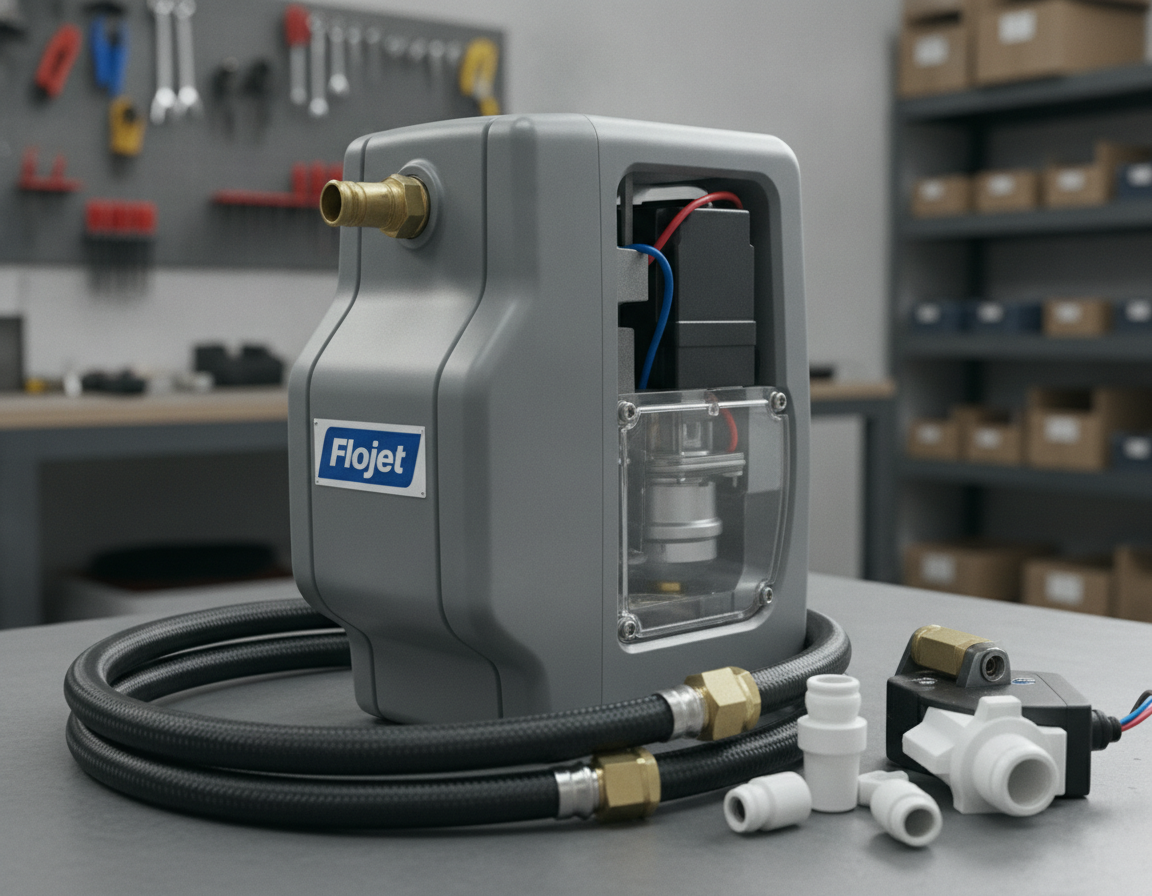
The Flojet Bw5000 is a small-footprint system designed for dispensing clean water. It can support coffee machines, ice makers, portable sinks, hand-wash stations, and similar foodservice equipment. Often listed as BW5000-A or BW5000-010A, it pumps water from commercial bottles to provide a dependable flow for mobile catering, coffee carts, and foodservice setups.

BW5000 Flojet units come in single-wand and two-wand configurations for one-bottle or two-bottle setups. Power choices usually include standard 115 VAC, plus 230 VAC and 12 V DC versions for international or mobile applications. Controls are easy to understand, featuring an illuminated on/off switch and automatic shut-off/restart when a bottle is replaced.

Made by Flojet, a Xylem brand, the BW5000 maintains a strong position in the bottled-water pump market. It is a widely adopted industry-standard pump used by bottled water providers, coffee carts, mobile vendors, and service companies. Warranties often extend up to four years, and genuine Flojet Pump Parts and Flojet Parts, like the KR part FP5000010, are available from suppliers like Installation Parts Supply.

  • The Flojet Bw5000 moves potable bottled water to appliances, carts, sinks, and mobile service stations.
  • It is offered in single-wand and twin-wand configurations for flexible installation layouts.
  • Power options cover 115 VAC, 230 VAC, and 12 V DC for fixed or mobile use.
  • It is recognized for affordability and broad use in catering, bottled-water, and coffee service markets.
  • Genuine Flojet Pump Parts and Flojet Pump Repair resources are supported by suppliers like Installation Parts Supply.

Flojet BW5000 Bottled Water Dispensing System Overview

The Flojet BW5000 is a compact bottled-water system that moves high-quality water from standard bottles to a range of equipment. It is ideal for espresso machines, coffee brewers, tea urns, and more. Its automatic shutoff and restart functions make it well suited for busy, remote, or mobile locations.

BW5000 Basics And Common Applications

This Flojet Bottled Water Dispenser employs diaphragm pump technology for clean water flow. It is designed to fit behind counters or inside cabinets, ideal for areas without plumbed water. Mobile coffee carts and temporary event stations greatly benefit from its simple setup.

Its automatic features help minimize the need for constant monitoring. It shuts off when a bottle is empty and resumes with a new one. That makes the Bw5000 Flojet a reliable option for users who need consistent water delivery without complex plumbing work.

Flojet Bw5000

Models, Configurations, And Warranty

Flojet offers the BW5000 in single-wand and twin-wand configurations. Models like BW5000-A and BW5000-010A are common. Standard units operate at 115 VAC, but some models are available for 230 VAC or 12 V DC for international or mobile use.

These pumps are manufactured by Xylem under the Flojet brand. Many listings mention a four-year warranty on genuine units. This warranty covers defects in materials and workmanship under normal use. It is best to confirm warranty details with the seller at purchase.

Main Selling Points At A Glance

  • Illuminated on/off switch for easy use in low light.
  • Diaphragm pump design enables run-dry capability and gentle water handling.
  • Quiet operation with rubber feet to reduce vibration and noise.
  • Thermal overload protection helps protect the motor from overheating.
  • Quick-disconnect ports make wand and tubing replacement faster.
  • A small footprint and portable design support tight installations.

Spare Flojet Pump Parts are widely available for routine upkeep and fast repairs. This supports minimal downtime and supports the system’s longevity in high-turnover environments.

Real-World Capability And Performance Specifications For The Flojet Bw5000

The Flojet Bw5000 is built for single-appliance use, balancing size with efficiency. It is a useful choice for users needing a compact bottled-water supply solution. Below, you will find the essential specs and practical notes for planning your installation or selecting Flojet Pump Parts. These details will assist you determine if the Bw5000 Flojet is right for your setup.

Flow, pressure, and electrical specs

The Bw5000’s maximum flow rate is near 1.09 gallons per minute 3.8 L/min, with typical use around 2.3 L/min. It can reach maximum pressure of about 40 psi, or 2.76 bar. Most units run at 115 VAC, with additional versions available for 230 VAC and 12 V DC.

Power draw varies by model, with 12 V DC units using up to 3.0 A and 115 VAC versions drawing about 0.5 A. The 230 VAC models typically draw around 0.25 A. AC models run at 50/60 Hz. The system automatically shuts off when the bottle empties and restarts when a fresh bottle is connected.

Physical size and weight for installation planning

Plan for dimensions of 2.7 inches high, 5.4 inches wide, and 8.5 inches deep to ensure proper clearance and hose routing. The pump weighs between 4.5 to 5.0 pounds around 2.04 kg, making it easy to place in cabinets or on carts.

When sourcing Flojet Pump Parts or replacement units, use reference details such as GTIN 705474208005 and KR Part # FP5000010.

Real-world use considerations

The pump is designed for single-appliance use. A food-grade Y or T connector may be used for light, staggered split-line applications. If two lines run at the same time, flow is usually divided, dropping to roughly 1.15 L/min per line from a 2.3 L/min baseline.

Do not attempt to run two high-demand devices at once, such as an espresso machine and a dishwasher. The Bw5000 Flojet is compact and compact, ideal for tight mobile setups and enclosed cabinetry. The illuminated switch improves operation in dim spaces and makes Flojet Pump Repair checks easier during service calls.

Spec Rating Practical Notes
Maximum Flow 1.09 gallons per minute / 3.8 L/min Real-world operating flow may be closer to about 2.3 L/min
Max Pressure Up to 40 psi or 2.76 bar Works best with single-appliance demand
Voltage Options 115 VAC, plus 230 VAC and 12 V DC options AC models 50/60 Hz; choose variant to match site power
Electrical Draw Approx. 3.0 A at 12 V, 0.5 A at 115 VAC, 0.25 A at 230 VAC Low current draw supports easier circuit integration
Dimensions conservative 2.7″H, 5.4″W, 8.5″D Allow room for hoses, bends, and cabinet mounting
Weight About 4.5–5.0 lbs, roughly 2.04 kg Portable for carts and mobile units
Controls And Safety Auto shut-off & auto restart Useful for empty-bottle protection and troubleshooting
Recommended Use Single-device bottled water feed Avoid simultaneous high-demand loads
Part References 705474208005 and FP5000010 references Use these references to confirm compatible parts

Flojet BW5000 Features And Benefits

The Flojet Bw5000 combines operator-friendly design with dependable bottled-water service for many applications. Its compact size and easy controls make it easy to position and operate. This section explains the features that help operators, service technicians, and installers.

Controls, ergonomics, and ease of use

The illuminated On/Off switch stays visible even in low-light conditions. Some models include a T-shaped wand handle that makes bottle changes faster. Its small size and versatile mounting options fit well in tight spaces and mobile setups.

Durability and protection features

The diaphragm pump design can handle occasional dry runs, reducing damage risks. Thermal overload protection in the control box safeguards the motor from overheating. Rubber feet help dampen vibration and noise, supporting quieter operation in confined spaces.

Serviceability and installation conveniences

Quick-disconnect ports allow for fast wand or tubing replacements without tools. Standard 115 VAC configurations help make installation easy across different locations. Automatic shut-off and restart during bottle swaps minimize downtime.

Genuine Flojet Parts are commonly stocked for maintenance, ensuring continuous operation. These parts align with Xylem/Flojet standards, giving service teams confidence in their quality. This improves the Flojet Bottled Water Dispenser’s longevity and performance.

Maintenance, Common Flojet Pump Parts, And Repair Guidance

Regular maintenance improves the life of a Flojet Bw5000 and minimizes unexpected repairs. Simple checks on tubing, fittings, the wand, and the illuminated switch can reveal wear early. This helps prevent performance issues. Regular inspections and timely replacements ensure reliable flow and safety.

Regular maintenance tasks to extend life

Inspect tubing and quick-disconnect fittings for cracks, hardening, or blockages. Replace tubing when stiffness or discoloration appears to maintain water quality and flow.

Examine the wand assembly and inline filters often. Clean or replace filters to prevent biofilm or mineral buildup on long-term installs. Swap bottles to test automatic shut-off and restart to confirm sensors and valves work.

Inspect the illuminated switch and power cord for wear, cracks, or loose connections. For 12 V setups, check terminals for corrosion or looseness. Confirm plugs, terminals, and connectors fit tightly to avoid intermittent operation.

Where to source common Flojet Pump Parts

The most frequently serviced parts include wand assemblies, standard 1/4 inch replacement tubing, quick-disconnect couplings, rubber feet, diaphragms, and motor components. Use references such as BW5000-010A and KR Part # FP5000010 to confirm part compatibility before ordering.

Genuine Flojet Parts and Xylem components help preserve performance and warranty coverage. Buy from manufacturer-authorized channels or reputable plumbing suppliers to ensure authenticity and correct fit.

Service Item Common Failure Mode Part Reference Recommended Source
Bottle wand assembly Blocked wand or damaged wand tip BW5000 wand kit Flojet-authorized dealers
1/4 inch tubing Stiffness, kinks, or discoloration Standard 1/4 inch tubing or 20 ft kits Reputable plumbing suppliers
Quick-disconnect coupling Leaks, loose fit Universal QD fittings Specialty parts suppliers
Diaphragm / motor parts Reduced pressure from wear BW5000-010A, KR FP5000010 Flojet/Xylem authorized parts suppliers
Mounting feet Crushed, loose, or missing Std. vibration feet Hardware suppliers or OEM sources

Basic Flojet Pump troubleshooting and repair tips

No-flow problems often come from power issues, a blocked wand, or tubing that is not seated correctly. Confirm the 115 VAC or 12 V supply, test the illuminated switch, and check the tubing and wand for debris, kinks, or blockages.

Low flow can signal a clogged inline filter or air leak at quick-disconnects. Tighten connections, replace questionable tubing, and confirm the pump can meet appliance demand if the outlet is split.

If the motor overheats and shuts off, let it cool before restarting. Thermal protection may have tripped. Verify ventilation and duty cycle. Avoid continuous dry running, though the diaphragm tolerates brief dry events.

Resolve noise and vibration by inspecting the rubber feet and mounting points. Replace worn feet and secure the pump so vibration does not transfer into counters or cabinets.

For component-level Flojet Pump Repair, use genuine replacement parts and consult Flojet or Xylem service guidance before opening motor or diaphragm assemblies. Authentic parts support warranty and long-term reliability.

Buying Guide: Flojet BW5000 Price, Compatibility, And Where To Buy

When shopping for a Flojet Bw5000, begin with realistic expectations about price, accessories, and fit. A BW5000 unit is commonly priced around $169.95. Prices can vary based on vendor, whether it is a single or twin wand kit, and what accessories are included.

The Bw5000 Flojet is recognized for its durable diaphragm design, quiet operation, and thermal protection. It offers great value for mobile foodservice and beverage setups.

For genuine Flojet Parts, look to authorized Xylem or Flojet dealers, specialty pump distributors, and reputable plumbing parts shops. Online suppliers also stock Flojet Pump Parts and complete Flojet Bottled Water Dispenser units. Always confirm warranty terms and verify whether the seller is authorized if you want possible four-year coverage.

Before making a purchase, compare return policies, delivery windows, and seller ratings. Delivery from major distributors often takes around two to four days. Keep receipts and packaging handy for warranty claims or part exchanges.

Make sure the pump can meet the demand of your appliance before installation. The peak flow is about 1.09 gpm, with typical operational flow near 1 gpm. This flow rate supports a single appliance or light, non-simultaneous splits using a food-grade Y or T connector. Avoid sharing the outlet for simultaneous high-demand gear like dual espresso machines or a dishwasher plus coffee brewer.

Use food-grade tubing and factory-approved connectors to protect taste, sanitation, and system reliability. Confirm the mounting location has enough space for the unit’s approximate dimensions. Also, ensure the power supply matches 115 VAC where applicable. When replacing worn components, use genuine Flojet Parts to maintain performance and protect warranty coverage.

Final Thoughts

The Flojet Bw5000 stands out as a compact, dependable bottled water dispenser. It is perfect for mobile catering, coffee carts, and small foodservice setups. Its durable diaphragm pump and thermal protection support quiet, consistent service. That makes it practical for low-to-moderate flow requirements.

For users supplying one appliance, the BW5000 Flojet offers dependable performance. It is compact and easy to use, without unnecessary complexity.

When purchasing, expect to pay around $169.95 for standard single-wand units. Confirm the model and power options, such as BW5000-010A, BW5000-A, 115 VAC, 230 VAC, or 12 V. Buy from authorized dealers or reputable online suppliers to receive genuine Flojet Parts and valid warranty coverage. Keeping common Flojet Parts available can reduce downtime and make repairs faster and easier.

In summary, the Flojet Bw5000 is a cost-effective option for those valuing quiet operation, portability, and dependable dispensing. For higher-demand applications, consider a higher-flow system or an additional pump. Regular maintenance and the repair guidance in Section 5 can help extend service life and maintain reliable performance.

Related: Complete Overview Of Flojet 03526 Parts And Layout

Why Silicone RTV 4500 is Approved for Potable Water Contact

A single bead of mold-resistant silicone can help protect a commercial sink or countertop for up to 20 years. Sealants like SILICONE ULTRA™ deliver this protection from mold and mildew while also being safe for incidental food contact.

Click here for RTV 4500 Silicone
In every commercial kitchen and food-processing area, selecting an NSF Approved Silicone Sealant is critical. NSF certification from NSF International signifies a product has undergone rigorous testing and audits. These steps ensure the product meets high public-health standards.

Specifiers and maintenance crews often look for NSF approved silicone sealant and NSF sealant labels. These products must satisfy strict requirements for leachables, adhesion, and resistance to microbial growth. A genuine food grade silicone sealant must also show flexibility, minimal shrinkage, and fast water readiness. SILICONE ULTRA™ demonstrates these qualities and is ready for water exposure in around 30 minutes.

Manufacturers like Dow (DOWSIL) and Xiameter offer food-zone RTVs with high-temperature ratings up to 500°F for ovens and grills. These manufacturers also share guidance for pigment masterbatching. This technical expertise is important for maintaining compliance, long service life, and safety in food service equipment.

Important Takeaways

  • NSF Approved Silicone Sealant indicates independent testing for sanitary use in food areas.
  • NSF approved silicone sealant and NSF sealant labels help lower the risk of contamination and microbial growth.
  • Food grade silicone sealant should offer flexibility, low shrinkage, and quick water readiness.
  • High-temp formulations from DOWSIL and Xiameter reach 350°F–500°F for heating applications.
  • Select products with documented NSF listings and technical data sheets for compliance.

What NSF Certification Means For Silicone Sealants

An NSF mark signifies that a product complies with rigorous public-health standards required in food service and water systems. Those responsible for specification and maintenance need a clear understanding of NSF approval. This clarifies which materials are considered safe for food contact or food equipment use.

Silicone RTV 4500

Overview Of NSF International And Its Public-Health Role

NSF International is an independent nonprofit organization with more than 60 years of experience in food and water safety standards. It is a trusted resource for regulators and facility managers to ensure compliance with material choices. For sealants, NSF certification means an independent third party has reviewed safety, labeling, and performance claims.

Scope Of NSF Certification For food service Materials And Products

NSF certification encompasses a broad spectrum of equipment and parts in commercial kitchens. This includes refrigerators, ice machines, dishwashers, and cooking equipment. To maintain equipment certification, sealants and adhesives used in manufacturing, installation, or repairs must also comply with these standards.

Testing, Material Evaluation, And Facility Audits Needed For Certification

The certification process involves lab testing of raw materials and finished products. It evaluates food-safe formulations, leachable contaminants, and antimicrobial concerns. To keep NSF approval, manufacturers undergo yearly facility audits and follow-up testing of products.

For installers and spec writers, opting for an NSF approved silicone sealant or adhesive is a practical choice. It protects equipment listings and supports long-term sanitation goals by lowering the risk of inspection-related noncompliance.

NSF Approved Silicone Sealant

When choosing sealants for food service settings, buyers and specifiers look for precise wording. A product labeled NSF Approved Silicone Sealant indicates it has met NSF International’s standards. This precise phrase is critical on project specs and inspection sheets. This wording confirms that the product has met documented testing and audit requirements.

The term NSF certified silicone sealant indicates that the product has passed composition checks, performance tests, and production oversight. This certification reassures architects and facility managers about using a silicone sealant in commercial kitchens where food contact is possible. This also makes it easier for inspectors and health departments to accept the product without requesting further documentation.

NSF approval expands where a sealant can be applied in food service equipment and adjacent areas. Equipment such as walk-in coolers, ice machines, and griddles can use an NSF approved sealant at sealed interfaces. Specifying an NSF approved silicone sealant minimizes compliance risks in restaurants, concession trailers, and catering equipment.

Technical data sheets supplied by manufacturers confirm that NSF-certified products are suitable for food-adjacent applications. For instance, Everkem Diversified Products’ TruSil 100 and Hi-Temp Silicone are listed on NSF and meet code compliance requirements. These NSF certified silicone sealant products are widely used in commercial kitchens and equipment where durability and safety matter.

Product Primary Use Key Feature NSF Status
TruSil 100 food service equipment seals, ice machines Food-safe formulation, good adhesion to metal and tile NSF-certified silicone sealant
Hi-Temp Silicone Ovens, griddles, and range hoods High temperature tolerance, stable cure NSF Approved Silicone Sealant
SILICONE ULTRA™ Countertops, sinks, food prep areas Safe for incidental food contact and resistant to mildew NSF-approved sealant

Use the exact phrase NSF approved silicone sealant when drafting specifications. Request both the manufacturer’s NSF listing and the technical data sheet. This method simplifies approval and helps ensure that the selected silicone sealant for commercial kitchens meets regulatory requirements and daily performance demands.

Important Properties Of Food-Grade Silicone Sealants For Safety And Performance

When choosing a food-grade silicone sealant, hygiene, heat resistance, and durability should all be considered. Brands like SILICONE ULTRA™, Everkem, and DOWSIL provide detailed information on mold protection, temperature ranges, and cure behavior. Such characteristics are especially important in kitchens, food processing lines, and wet areas where sanitation and efficiency are priorities.

Food-Safe Formulations And Microbial Resistance

Sealants marketed as food-safe use neutral-cure chemistries and non-toxic additives. SILICONE ULTRA™ offers up to 20 years of mold and mildew protection along with minimal shrinkage for a durable finish. That makes it well suited for washdown zones. Everkem’s TruSil 100 features mildew-resistant silicone blends that help maintain sanitary surfaces and reduce cleaning demands.

Temperature Ranges And High-Temperature Options

A large number of food-zone RTVs are dependable at temperatures up to around 350°F. High-temperature silicone is needed for grills, smokers, and heating elements. Products from DOWSIL, including DOWSIL 736 and Xiameter SLT-5202, can resist heat up to 500°F. Everkem’s Hi-Temp Silicone can handle temperatures up to 600°F, making it suitable for continuous or intermittent high-heat use.

Waterproofing, flexibility, shrinkage, and cure time

Water exposure necessitates quick, dependable cure times. Certain formulations are ready for water exposure in under 30 minutes, which allows quick reassembly and reduces downtime. Flexible chemistries help resist movement and thermal cycling, and low-shrinkage formulations help prevent gaps where bacteria can develop. In industrial joints and equipment seals, options such as silicone RTV 4500 and RTV 4500 silicone balance strong adhesion with flexibility.

Property Typical Value or Example Why It Matters
Microbial Resistance SILICONE ULTRA™: up to 20 years; TruSil 100: mildew-resistant formulations Helps limit mildew and mold growth on sealant surfaces for safer food zones
High-Temperature Rating DOWSIL 736 / Xiameter SLT-5202: up to 500°F; Everkem Hi-Temp Silicone: up to 600°F Permits use on griddles, ovens, and heating elements without breaking down
Cure Time to Water Exposure Some products: ready for water in ~30 minutes (SILICONE ULTRA™ example) Helps speed maintenance and reduce downtime in wet areas
Shrinkage & Flexibility Low shrinkage, high elasticity; crackproof finish claimed by SILICONE ULTRA™ Maintains continuous seals under movement and thermal cycles
RTV / Industrial Options silicone RTV 4500, RTV 4500 silicone; DOWSIL 3-7132, 786; Xiameter SLT-5201 Broad choices for adhesion-promoted, non-corrosive, and mildew-resistant needs
Color & Pigment Guidelines Clear RTV with about 2% color masterbatch for custom shades (manufacturer guidance) Keeps color consistency while maintaining performance and FDA compliance

Common NSF-Certified Products And Similar Trade Names

The market includes several NSF-approved silicone sealants for food service and plumbing applications. Purchasers often compare these products to determine the best match for temperature ratings, mildew resistance, and available colors. Premium lines are available for stone surfaces, high-temperature service, and general food-zone sealing.

Manufacturers clearly position their products. SILICONE ULTRA™ is highlighted as a premium sealant for kitchens, baths, and plumbing. It is safe for incidental food contact and suitable for granite and marble. Distributor catalogs list the TruSil 100 family with standard colors and mildew-resistant formulas. For ovens and grills, Hi-Temp Silicone is commonly recommended because of its sustained heat tolerance.

Specification sheets often mention RTV and industrial-grade options. Trade names such as rtv4500, RTV 4500, and silicone RTV 4500 refer to high-performance RTV adhesives used for repairs and heavy-duty installations. These RTV options provide heat resistance and support custom color masterbatch choices for visible finishes.

Buyers reference branded lines from major suppliers to judge suitability. The DOWSIL and Xiameter product families are often treated as comparable trade names for food-zone silicones and industrial RTV adhesives. A comparison against TruSil 100 and Hi-Temp Silicone helps highlight differences in performance and NSF listing status.

In the market, Silbond and Silbond Corp serve as reference points. When evaluating suppliers, compare silbond offerings against Everkem Diversified Products, DOWSIL, and Xiameter on adhesion, mildew resistance, temperature limits, and verified NSF certification. The best choice depends on the application and the documentation required.

Product or Trade Name Typical Strengths Common Uses Notes on NSF or Spec References
SILICONE ULTRA™ Premium finish, safe for stone, mildew resistant Kitchen joints, countertops, and bath fixtures Positioned for incidental food contact and granite/marble
TruSil 100 Color range, mildew formulations, versatile adhesion food service seals, sink areas, tile joints Listed by distributors as NSF-certified family
Hi-Temp Silicone High-temperature tolerance and a durable bond Ovens, grills, and heating elements Specified for demanding food service environments
rtv4500 / RTV 4500 / silicone RTV 4500 Industrial RTV performance with heat and chemical resistance Equipment repairs, adhesive gasketing, industrial joints Common trade mention in technical spec sheets
DOWSIL / Xiameter product lines Established formulations, wide product families Food-zone silicones, industrial RTVs, and custom finishes Comparable trade names used by spec writers and contractors
Silbond (Silbond Corp) Market reference, supplier-focused offerings Supplier comparisons, regional distribution Buyers should compare listings, adhesion, and temp ratings

Applications In Commercial Kitchens And The Food Industry

The right sealant is essential for maintaining a kitchen’s safety and hygiene. Commercial kitchens depend heavily on silicone sealant to close gaps, stop water leaks, and limit microbial growth. These functions are particularly important in sink and drain areas.

Walk-in coolers, ice machines, ovens, ranges, countertops, tile joints, and drains are common areas where this sealant is used. For health department compliance, NSF sealant is necessary in meat lockers, concession equipment, vending trucks, and produce transport units.

For repair and maintenance work, NSF-listed products are essential. They are used for replacing gaskets, resealing countertops, and fixing drain interfaces. Using silicone sealant during installation also helps preserve warranties and maintain sanitation ratings for equipment.

Areas exposed to high temperatures near griddles, smokers, and ovens need heat-resistant silicones. Dishwash stations and other wet areas need mildew-resistant formulas to limit microbial growth and improve service life.

Using NSF-certified sealants in food service applications lowers cross-contamination risks. This ensures compliance and prevents equipment certification voidance. Manufacturers like Dow and SILICONE ULTRA™ provide specialized products for surfaces such as granite, marble, and stainless steel.

In short, choosing the correct sealant is essential. It should match the application’s needs, including water exposure, temperature, substrate, and regulatory compliance. This approach ensures kitchens remain sanitary, compliant, and ready for inspections.

Choosing The Right NSF Certified Sealant: Performance And Compliance Factors

Choosing the right sealant is critical for safety and efficiency in food service environments. Specific criteria should be followed when choosing an NSF certified sealant. Even slight variations in formulation can significantly impact long-term performance.

Temperature Rating

Make sure the sealant matches the temperature conditions of the environment. Many silicones for food zones can handle up to 350°F. For hotter conditions, products such as DOWSIL 706, 700, and 736 can handle 400°F–500°F, making them ideal for grills and ovens.

Color Selection And Control Of Pigments

If color is being specified, request a color masterbatch. Xiameter pigments are often blended at about 2% into an approved clear RTV for consistent batches. The technical data sheet should confirm whether a custom color is appropriate for repeated use or limited to a single application.

Mildew Resistance And Cure Speed

For wet areas, select products that offer mildew protection and minimal shrinkage. SILICONE ULTRA™ provides mildew resistance and a water-ready cure in about 30 minutes. This is beneficial for fast repairs and minimizing downtime.

Adhesion And Substrate Compatibility

Sealant formulations that promote adhesion provide better bonding to difficult surfaces. Products such as DOWSIL adhesion-promoted sealants are capable of bonding to granite, marble, glass, metal, and glazed tile. Adhesion testing and confirmation through the TDS are necessary to verify compatibility.

Regulatory Alignment

It is vital to understand the difference between an NSF listing and FDA statements. If both are needed on a project, compare silicone adhesive options with NSF approval against claims of FDA compliant silicone sealant. Request NSF listings and full technical documentation to verify material composition and approved uses.

A Practical Checklist

  • Verify maximum and continuous temperature ratings for the intended exposure.
  • Ask for a color masterbatch sample and batch tolerances for visible joints.
  • Verify mildew resistance, cure time, and water-ready timing for planned service schedules.
  • Ask for adhesion testing results or primer recommendations for non-porous stone and metal.
  • Secure the NSF listing and compare it against FDA compliant silicone sealant declarations in the TDS and SDS.
Factor What to Verify Typical Spec or Example
Temperature Rating Maximum continuous and peak temperatures, oven/grill exposure 350°F for food-zone use; DOWSIL 706/700/736 for 400–500°F
Color Control Consistency of color masterbatch and pigment loading Xiameter pigment at about 2% blended into clear RTV
Mildew & Cure Mildew protection, shrinkage level, and time to water-ready SILICONE ULTRA™: mildew resistant, water-ready ~30 minutes
Adhesion Adhesion-promoted options, primer needs, substrate testing Adhesion-promoted sealant with DOWSIL primers for granite and metal
Regulatory NSF listing number, FDA compliance statements, TDS/SDS Request NSF listing and confirm FDA compliant silicone sealant claims

How To Specify And Source NSF Approved Silicone Sealant

To prevent delays, clearly define the performance requirements in the specifications. Ensure sealants are listed on the NSF database for food service use. They must meet maximum temperature ratings and be mildew-resistant in wet environments. Request manufacturer support for color matching and project guidance.

Spec Language For Architects, Contractors, And Service Technicians

Use exact language in the specifications. Require NSF certification number and mention testing scope. Specify cure times and adhesion properties. Compatibility with substrates like stainless steel, granite, tile, and glass should be confirmed. Request the technical data sheet NSF silicone and a product sample for color matching.

Where To Buy And Which Distribution Channels Are Approved

Buying from verified channels helps ensure authenticity and traceability. Installation Parts Supply is an authorized distributor for NSF-approved options. Dow (DOWSIL/Xiameter) and Everkem offer direct sales and verified documentation. Supplier status should be verified among NSF certified sealant suppliers before contracts are awarded.

Documentation to request at procurement

Request current NSF listings or links to NSF entries and the technical data sheet NSF silicone. Verify maximum temperature ratings, shelf life, and any repeated-use restrictions. Request color masterbatch RTV guidance from manufacturers; typical pigment loading guidance is near 2% to maintain certification and cure performance.

Item Why It Matters What to Request
NSF Listing Number Confirms product is certified for food service contact and cleaning A copy of the NSF entry or manufacturer-provided verification
Technical Data Sheet NSF Silicone Shows curing time, temperature limits, adhesion, and mildew resistance A full PDF with performance charts and application guidance
Color Masterbatch RTV Ensures color match without compromising certification Manufacturer pigment guidelines along with sample swatches
Authorized Distributor Confirmation Helps prevent counterfeit products and supports warranty claims Distributor name, contact, and proof of authorization (Installation Parts Supply or equivalent)
Manufacturer Technical Support Provides project guidance and troubleshooting support Contact details for product specialists (e.g., SILICONE ULTRA™ support)

Include submission requirements in bid documents: provide NSF listing, manufacturer SDS, and the technical data sheet NSF silicone for each product. Require suppliers to state whether color masterbatch RTV additions are allowed and to confirm final cure properties after pigmentation. Using this approach helps maintain project schedules and compliance with food service standards.

Best Practices For Application, Curing, And Long-Term Sealant Maintenance

The manufacturer’s guidelines should be followed carefully when applying NSF approved silicone sealant. Brands such as SILICONE ULTRA™ and DOWSIL provide detailed instructions for surface preparation, bead size, and curing times. Ensure substrates are clean, dry, and free from contaminants for optimal adhesion. Use adhesion-promoted formulations for surfaces like granite, stainless steel, or glazed tile.

Document NSF listings, technical data sheets, and batch/lot numbers. This paperwork is essential for inspectors and facility managers when verifying compliance during audits.

Be mindful of the curing milestones for silicone sealant. For some formulations, SILICONE ULTRA™ indicates water exposure readiness in about 30 minutes. However, full cure for heavy-duty or high-temperature applications can require more time. In high-heat situations, DOWSIL’s recommendations for color masterbatch ratios and re-use limits should be followed carefully.

Proper curing is important because it reduces shrinkage, maintains flexibility, and lowers microbial risks in food zones.

A routine inspection and maintenance schedule should be implemented based on the specific environment. Look for signs of deterioration such as cracks, color changes, loss of adhesion, or mold staining. Replace the sealant before breaches occur. For products such as RTV4500, follow the recommended maintenance intervals and replacement practices to keep seals sanitary.

Maintain NSF approved silicone sealant records to demonstrate proactive food-safety management.

Only NSF-certified materials should be used during repair or reinstallation to preserve equipment certification. Allow the sealant to fully cure according to the technical data sheet before exposing joints to heat, moisture, or aggressive cleaning chemicals. Correct preparation, careful curing, documented maintenance, and proper rtv4500 care all help keep food service equipment sanitary and compliant over time.

Related: How RTV 4500 Adheres To Porous And Non-Porous Materials

The Weather Resistance of a Lock For Water Spout

Outdoor spigots are vulnerable to unauthorized use, waste, and theft. A lockable faucet works as a practical and effective deterrent. It helps block water theft and improper use of outside faucets. Better units offer heavy-duty materials and a faucet lock that works with standard hose bibbs. Locking systems with keyed and keyed-alike options make control easier. This is convenient for homeowners, property managers, and contractors alike.

Website about Lock For Water Spout
Adding a lock to your water spout can greatly reduce liability linked to uncontrolled water flow. It further decreases wasted utility costs. Retail listings offer competitive pricing, with discounts for bulk purchases. For instance, buying 2 costs about $20.87 each, while 6 cost about $17.76 each.

For those seeking wholesale or trade pricing, Installation Parts Supply is a dependable distributor. They offer locking hose bibb solutions and support bulk orders. This works well for maintenance crews and contractors seeking sturdy keyed locking fixtures.

Why A Lockable Water Spigot Helps Protect Outdoor Water

Outside spigots are easy to access and commonly left unguarded. As a result, they become targets for water theft and vandalism. A lock for an outdoor water faucet can stop unauthorized use and reduce the chance of costly incidents.

Property reports from apartment complexes and newer developments show growing unauthorized faucet use. Job sites using temporary water connections frequently suffer repeated losses from unsecured lines. Marinas, RV parks, and campgrounds also encounter unauthorized water use from guests or people passing through.

More Frequent Incidents Of Water Theft And Unauthorized Use

Utilities and property managers are seeing an increase in unauthorized hose bibb use for fill-ups or irrigation. People looking for an easy opportunity take advantage of unsecured spigots during the day or at night. Using devices that prevent water theft spigot access and complicate tampering can reduce this behavior.

The Costs And Consequences Of Unsecured Outdoor Faucets

Improper use can cause water waste and noticeably higher bills. Interference can also damage components and trigger flooding in landscaping or inside structures. Liability issues may also arise if someone is hurt while trying to use an unsecured tap. A secure garden hose tap reduces waste, liability, and protects property value.

Common Targets: Residential Developments, Construction Sites, RVs, Commercial Properties

Multi-family properties, schools, and commercial facilities need control over irrigation and maintenance lines. Temporary spigots at construction sites are often left unlocked, making them simple targets. RV parks and campgrounds lose water to unauthorized fill-ups and repeated misuse. Using hose bib locks helps regulate access across all of these property types.

Key takeaway: pick an outdoor water faucet lock suited to your spigot size and surroundings. A suitable product will reduce water theft spigot incidents, secure garden hose tap access, and provide managers with a simple way to regulate water use.

Lockable Water Spigot

Understanding A Lockable Water Spigot

A lockable water spigot is an easy security device used to block unauthorized access to exterior faucets. It installs over a hose bibb or on a valve, allowing only people with the correct key or code to turn on the water. Users unlock, thread the device onto the faucet, and then relock to prevent water flow or hose attachment.

What A Lockable Spigot Is And How It Works

The mechanism prevents tampering by blocking access to the outlet or handle. Some models cover the entire faucet, while others secure the valve stem. Authorized users unlock the housing, engage the faucet, and then secure the unit again. That keeps supply lines and meters safer across a range of settings.

Construction Materials And Build Quality

High-end lockable units use heavy-duty brass bodies for strength and long service life. They also include stainless steel hardware and seals to resist corrosion in severe environments. Quality finishes also reduce wear from UV and salt exposure. This robust construction minimizes the need for replacements.

Common Lock Types And Options

Barrel-style locks built into the unit provide a sleek keyed solution that blends with the faucet. Housings designed for padlocks allow a weatherproof padlock to be added when required. Many product lines include keyed-alike setups so a single key works on multiple faucets. Separate keyed-different configurations improve control by giving each valve its own key.

When securing hoses, consider a hose with lock accessory that pairs with the faucet lock. This helps ensure a connected hose cannot be removed without the proper key. A suitable lock for water faucet paired with a matching locking system reduces loss, waste, and unauthorized access while making maintenance easier.

Types Of Outdoor Water Faucet Locks And Hose Bibb Solutions

To understand the best locking option, it helps to know how each type mounts and protects a faucet. You can find everything from threaded spigot housings to padlock-secured cages and built-in locking valves. The following overview covers common designs, how they work, and their best uses.

Faucet lock enclosures mount onto the faucet body or hose bibb and secure in place. They can spin freely but cannot be removed without a key. Installing them is straightforward: unlock, thread onto the spout, and lock again. These housings work well on standard outdoor faucets in residential, job-site, and commercial settings.

Padlock-secured water spout systems feature cages, skirts, or flanges that lock with a padlock. These systems are popular with managers because a master padlock can be used, and lost-key situations are easier to address by replacing individual locks. This cage blocks direct valve access while permitting hose connection in certain setups.

Flow lock devices physically stop valve rotation until the internal mechanism is unlocked. These are ideal where strong tamper resistance is needed, since the valve stays closed even if the handle is forced. Flow locks are often used with integrated locking valves in high-traffic areas.

Locking hose bib models units integrate the lock into the valve assembly itself. The design is compact, uses fewer parts, and looks cleaner than add-on housings. Factory-sealed components reduce potential leak points and provide stronger tamper resistance.

Lockable hose bibb covers offer simple installation and good value. They suit a range of faucet brands and can be purchased in keyed-alike sets for multi-unit properties. For older buildings, covers are a practical solution because installation is easier than replacing the entire valve.

When choosing a solution, think about your access control requirements. Keyed-alike padlock systems are suitable for properties managed by a single team. Flow-lock or keyed-different options are more suitable for properties with individual owners who need independent security. Each choice—hose bibb lock, padlock-based locking water spout, flow lock, locking hose bib, or lockable hose bibb covers—offers a different balance of cost, retrofit simplicity, and tamper resistance.

How To Choose The Right Locking Water Fixture For Your Property

Selecting the correct locking fixture is vital for safeguarding your water supply and deterring theft. Begin by examining the faucet’s profile, thread size, and the space around the spigot. Most U.S. hose bibbs employ standard threads. Still, older properties and specialty fittings might need adapters or custom housings.

Compatibility

Measure the hose bibb inlet and determine if the spout is angled or straight. Be sure the lock or faucet housing you select is compatible with the valve stem. Also, make sure there’s enough space for a wrench for any future maintenance. Many lock housings and water hose locks used commercially are designed for standard outdoor faucet styles. This quick check can prevent needless rework.

Durability Considerations

Choose heavy-duty brass bodies for long-term durability. Look for stainless steel fasteners and corrosion-resistant finishes, especially if your property is near salt air or in freeze-thaw climates. Sealed lock cores and weatherproofing can help stop winter sticking. Select fixtures that clearly specify materials and salt-spray resistance.

Key management

Before buying, decide whether you need keyed-alike or keyed-different systems. Keyed-alike is convenient for maintenance crews and property managers. A keyed-different setup works better where restricted zones or tenant-specific control are necessary.

Design and security options

Compare barrel-style locks with padlock-compatible housings. Barrel-style designs offer a cleaner appearance and built-in protection. Options designed for padlocks allow easy hardware replacement without changing the whole lock. For enhanced security, evaluate flow-lock models that block water flow without removing the lock.

Installation and user needs

Review who will be installing and using the fixture. Non-plumber staff will appreciate simple screw-on housings and clear instructions. If you are retrofitting older faucets, select solutions with adapter rings or speak with a licensed plumber for a secure fit.

Simple Checklist

  • Make sure the thread size and spigot profile are compatible with the secure garden hose tap or lockable hose bib.
  • Choose heavy-duty brass and corrosion-resistant components for weatherproofing and longevity.
  • Determine whether keyed-alike or keyed-different fits your access control needs.
  • Choose a barrel-style or padlock-compatible design based on replacement needs and appearance preferences.
  • Review flow-lock options and installation ease for nontechnical staff.

Installation, Use, And Maintenance Best Practices

Before you begin, make sure the lock fits your hose bibb size and style. Shut off the faucet and remove any hoses to avoid pressure or trapped water problems. Keep the work area clean and have the key or padlock ready for installation.

Step-by-step installation

1. Make sure the lock fits the size of your hose bibb.

2. Shut off the faucet and disconnect any hoses.

3. Use the key to open the faucet lock, or take off the padlock.

4. Fit the lock housing onto the faucet or around the spout until it is snug.

5. Use the key to secure the housing so it cannot be removed and the faucet stays closed to unauthorized users.

With padlock-style devices, select a corrosion-resistant padlock. Check that the housing turns freely yet stays attached. Using this method secures the outdoor water faucet clearly and simply.

Preventive Maintenance

From time to time, lubricate lock cylinders with graphite or silicone-based products. Do not use heavy oils because they attract dirt. Check seals, threads, and components each season and replace any corroded padlocks. Check threaded fittings for wear and tighten if necessary.

Winterizing is essential in freezing climates. Drain standing water, empty hoses and adjacent lines, and consider removing the device if trapped water could freeze and crack components. Proper care helps extend the life of a spicket lock and cut down on service calls.

Buying Sources And Trusted Suppliers

Lockable spigots, garden hose lock box options, and water faucet lock products are commonly sold through big hardware chains, specialty security suppliers, and plumbing wholesalers. TRADESAFE and similar brands offer industrial-grade options featuring corrosion-resistant padlocks and keyed systems.

Distributor And Wholesale Option

Installation Parts Supply is a U.S.-based wholesale distributor serving plumbers and property managers. They offer bulk purchasing, keyed-alike ordering, and trade pricing for heavy-duty lock for water faucet solutions. Purchasing wholesale can lower the cost per unit and make procurement easier for multi-site properties.

Item Recommended Use Construction Primary Benefit Comments
Thread-On Hose Bibb Lock Housing Homes and light commercial sites Die-cast zinc with protective coating Thread-on fit, padlock compatible Easy install, works with most hose bibbs
Padlock-Style Spicket Lock Job sites and RV parks Brass construction with stainless shackle High corrosion resistance Use stainless padlocks in coastal locations
Garden Hose Locking Box Multi-family and shared gardens Powder-coated steel Keyed access with full enclosure Designed to stop tampering and unauthorized use
Water Faucet Lock Keyed Alike Bigger properties with numerous faucets Brass internals, weatherproof finish Single key for multiple locks Useful for maintenance teams managing many locks

Closing Thoughts

Installing a lockable water spigot or locking hose bib is a cost-effective way to protect outdoor water supplies from theft, waste, and tampering. A quality hose lock or water faucet with lock reduces unauthorized use at homes, construction sites, and commercial properties. It further helps lower both utility costs and liability risk.

When evaluating options, verify compatibility with your hose bibb dimensions and pipe configuration. Choose heavy-duty brass construction and corrosion-resistant components first. Choose a locking style—barrel-style or padlock-compatible—along with a keying strategy that fits your needs, whether keyed-alike or keyed-different.

Contractors, facility managers, and plumbers may want to buy from established wholesalers such as Installation Parts Supply. They offer trade pricing, bulk keyed-alike options, and consistent product quality. Regular inspection, lubrication, proper winterization, and timely replacement of corroded parts will extend service life. This keeps the lockable water spigot or locking hose bib performing as intended to prevent water theft spigot incidents.

The Customer Support Offered by Shurflo Pump Company

Did you know how a one Shurflo 8008-943-839 diaphragm pump can pump up to 1.8 gallons per minute? It pulls only 12.5 amps at 12 volts. This level of efficiency makes shurflo pumps essential for RV, marine, and small industrial systems.

Learn more about Shurflo Pumps Website
Shurflo by Pentair has been a major force in diaphragm pump systems for over 50 years. Their legacy is visible in products like the 2088 and 8000 Series. Whether you need a 12V DC booster for a reverse osmosis system or a 115V unit for a stationary setup, finding the right part is simple. The shurflo pump website offers clear datasheets and genuine parts.

Even the most reliable shurflo pumps need periodic maintenance. OEM repair kits and replacement parts are easy to source. You can find diaphragms, valves, pressure switches, and fittings in materials like Santoprene, Viton®, and EPDM. These materials meet various application needs, reducing downtime.

Overview Of Shurflo Pump Parts And Available Replacement Options

Shurflo is well known for its durable diaphragm pumps and compact boost systems. These are used in many industries, including RV, marine, and agricultural settings. This short guide aims to help technicians and buyers understand the available parts, their differences, and where to find authentic components for extended service.

About Shurflo and product legacy

Founded decades ago, Shurflo is now part of Pentair. It is known for steady pressure, corrosion resistance, and ease of installation. The brand offers standalone pumps, mini boost systems, and accumulator tanks. These systems help ensure smooth flow and reduce cycling. Product datasheets provide clear specifications for models like the 8008 and 2088 series, making part selection easier.

Common types of replacement parts available

Common parts for Shurflo pumps include diaphragms, valve assemblies, and seal kits. These are designed for specific model families, such as the 2088, 4111, 4211, and 8000. You can also find pressure switches, regulators, fittings, strainers, and hoses for repairs. Seal materials vary, with options like Santoprene, Viton®, and EPDM for chemical and temperature resistance.

Where to purchase genuine Shurflo parts

Authorized distributors and wholesale plumbing suppliers carry genuine Shurflo replacement parts. These parts are OEM compatible and come with detailed datasheets. Installation Parts Supply is a trusted wholesale distributor that lists verified part numbers and technical details. It helps ensure you receive the correct replacement items for your pump by matching product listings with official datasheets.

Shurflo Water Pump 115v Parts

Common Shurflo Pump Components And Their Functions

Understanding the core parts of a Shurflo pump is essential for maintenance or replacement. Datasheets for models like the 8008 series provide details on flow, current, and port size. The pump’s real-world performance, however, depends on its components: diaphragms, valves, and fittings.

Diaphragms And Valve Sets

Diaphragm pumps operate on a positive-displacement principle. The flexible diaphragm and its matched valve assemblies work together to provide a smooth flow of fluid with each stroke. This makes them ideal for applications involving potable water, beverage equipment, and light industrial transfer.

If a diaphragm fails, the pump’s performance will decline or stop altogether. Repair kits often include a new diaphragm and valve parts to restore the pump’s original efficiency. Keeping spare diaphragms on hand can greatly reduce downtime.

Pressure Controls And Regulators

Some Shurflo models come equipped with integrated pressure switches. These switches control the pump’s on/off cycling by sensing system pressure. They help ensure the pump maintains the desired output. External regulators, on the other hand, fine-tune the outlet pressure for more precise applications.

Wear on pressure switches can lead to rapid cycling or failure to restart. Dedicated repair kits that include switch components allow technicians to restore the pump’s performance without requiring a full replacement.

Fittings, Strainers, And Hose Connections

Proper plumbing is vital for a pump’s longevity. Inline strainers prevent debris from reaching the diaphragms and valves. The correct fittings and hose barb adapters are also important for maintaining flow and preventing leaks across different port sizes.

Common plumbing components include nylon or brass fittings, hose clamps, and flexible tubing. Keeping spares such as strainers and adapters on hand supports routine maintenance and simplifies field repairs.

Component Function Typical Repair Item
Flexible diaphragm Builds pressure through flexing; essential to flow rate Diaphragm service item in repair kits
Valve assembly unit Directs intake and discharge, prevents backflow Valve kit with seats and springs
Pump pressure switch Manages pump cycling through pressure sensing Switch or contact kit
Inlet strainer Blocks particles that damage internals Inline strainer spare
Adapters and hoses Ensure secure plumbing and proper flow Adapters, hose clamps, and hose sections

Shurflo Pump Components For Specific Models And Uses

Choosing the right part starts with matching model numbers and electrical specifications. Shurflo pumps are used in fields such as RV, marine, beverage, and agriculture. Each application has its own demands for flow, pressure, and duty cycle.

The 8000 Series is often used as a booster for reverse-osmosis systems and pressurized fixtures. For example, the 8008-943-839 model runs on 12V DC, draws 12.5 A, and delivers about 1.8 GPM through 3/8″ NPT ports. This makes shurflo 8000 series parts essential when selecting correct fittings, motor ratings, and mounting hardware to maintain system stability.

Many owners pair an accumulator tank with an 8000 Series pump to reduce cycling and extend service life. When searching for shurflo pump replacements for booster setups, compare the pump datasheet and part numbers carefully. Make sure the port size and current draw match the installed system.

Shurflo 2088 parts are widely available for routine repairs on both older and current models. Common service items include diaphragms, valve assemblies, and pressure switch kits. These parts restore flow and sealing performance. OEM repair kits list compatible models such as 2088, 4111, 4211, and 8000 for quick cross-reference.

Electrical differences are critical when repairing 115V AC versus 12V DC units. Shurflo water pump 115v parts include motor assemblies, capacitors, and wiring harnesses that differ from 12V counterparts. Always verify voltage-specific components before installation to avoid mismatches.

Below is a concise comparison to help identify typical parts and their application fit. Use this as a quick reference when ordering shurflo pump replacements or planning a service kit.

Model Family Typical Replacement Items Common Applications Compatibility Notes
8000 family Motor assemblies, diaphragm kits, valve kits, seals, and fittings Reverse-osmosis boosters, compact pressurized systems, beverage dispensers Verify amperage, port size (3/8″ NPT is common), and datasheet model number
2088 family Diaphragms, valve assemblies, pressure switch kits, o-rings Recreational vehicle water systems, marine supply, and light-duty farm sprayers Many parts interchange across 2088 variants; verify the model stamp
115V AC Systems Motor stators, capacitors, wiring harnesses, mounting brackets Fixed residential or commercial setups requiring AC power Only use shurflo water pump 115v parts suited to the correct motor frame and speed
12V DC Systems Brush assemblies, inline fuses, DC motors, quick-connect fittings Mobile uses such as RVs, boats, and off-grid systems Verify polarity, amp draw, and thermal protection for vehicle use

Selecting genuine components reduces downtime and helps protect warranties. When in doubt, cross-check the pump’s stamped part number against manufacturer datasheets before buying shurflo pump replacements. This preserves performance and keeps systems operating as designed.

Shurflo Pump Repair Kits And Maintenance Supplies

Ensuring a Shurflo pump’s longevity goes beyond making a single repair. Routine maintenance and keeping essential parts readily available help minimize downtime. This is especially important for RV, marine, beverage, agricultural, and light industrial systems.

Repair kits usually include the most frequently replaced parts. A standard kit often contains a diaphragm, valve plates, valve balls, O-rings, gaskets, and small fasteners. Some kits also include pressure switch components for models that rely on switch control. Product datasheets and model-specific part numbers help confirm compatibility.

It is wise to maintain a small stock of common items to avoid service delays. Keep diaphragms, valve assemblies, repair seal kits, inline strainers, hose clamps, and hose barb fittings on hand. For systems that cycle often, a pressure switch kit is especially useful. These spare parts and accessories allow many repairs to be completed without relying on overnight shipping.

When selecting seal materials, consider both the fluid and the operating environment. Santoprene is suitable for general water service and offers good flex life. Viton® resists fuels, oils, and harsh chemicals. EPDM is a strong choice for hot water and many detergents. Select materials based on temperature, chemical exposure, and any regulatory requirements.

The value of a repair kit increases when it is paired with basic maintenance parts and simple tests. Using accumulator tanks or booster components can reduce pump cycling and wear. Regular inspection of strainers and hose connections can prevent damage to internal parts. By combining repair kits with proactive maintenance, you can extend the pump’s service life and improve reliability.

How To Identify Genuine Shurflo Replacement Parts And Avoid Counterfeits

Choosing the correct component is vital for maintaining performance and warranty protection. Start by reviewing official documentation and labels. Genuine shurflo parts feature clear part numbers, technical specifications, and datasheets that match the pump model and electrical ratings. Verifying these details helps ensure compatibility and performance before you buy.

Packaging, Part Numbers, And Data Sheets

Inspect boxes and components for precise part numbers. An authentic listing on the Shurflo product datasheet will include numbers such as 8008-943-839, along with voltage, current draw, flow rate, and port size. Compare these specifications with the item you received. Any mismatch or unclear labeling can be a warning sign of a counterfeit part.

Authorized Sellers And Warranty Considerations

Buy from verified sellers to help protect warranty coverage. Purchasing through authorized dealers and plumbing wholesalers usually ensures proper documentation and model guidance. Installation Parts Supply is a recognized U.S. distributor that offers certified inventory and can confirm OEM compatibility. Buying from approved sources also makes returns and warranty claims easier to manage.

Inspecting Parts Before Installation

Carefully inspect seals, machining, and labels before installation. Genuine shurflo replacement parts use the proper materials for seals and show accurate machining tolerances. Confirm that part numbers match the shurflo pump website listings and that any decals or stamps are intact. Discard components with poor finish, incorrect materials, or altered markings.

Installation Tips, Best Practices, And Upgrades For Improved Performance

Before starting installation, a careful review of the datasheet is essential. It helps prevent damage and saves time. Make sure you understand the electrical and plumbing specifications, such as 12V DC, 12.5 A, and 1.8 GPM. Also confirm system voltage, fuse sizing, and port sizes before proceeding.

Plan the plumbing and mounting layout carefully to reduce vibration and stress on fittings. Use corrosion-resistant fasteners and mount the pump on a flat surface. For quieter flow and fewer cycles, consider adding an accumulator or a mini boost system.

Pre-installation inspections

  • Check battery or mains capacity and ensure the fuse rating is correct for 115V or 12V systems.
  • Check inlet and outlet thread styles and install the correct hose barb fittings.
  • Examine inline strainers and swap out clogged elements before hooking up the pump.

Upgrades and recommended accessories

  • Using an accumulator tank like Model 181-201 reduces cycling and helps extend diaphragm life; include it in shurflo pump upgrades plans.
  • Use inline strainers and durable hose clamps, and choose Viton® seals when chemical resistance is needed.
  • Choose stainless fittings and marine-grade hoses for coastal or RV installations; these shurflo pump accessories improve longevity.

Basic troubleshooting process

  1. Start by checking power and wiring; verify voltage while under load.
  2. Inspect inlet strainers and plumbing for blockages or air leaks.
  3. Examine diaphragms, valves and seals for wear; replace with OEM parts when available.
  4. If the pump cycles or won’t build pressure, test or replace the pressure switch.
  5. Refer to repair kits for model-specific parts and follow a methodical repair path to minimize downtime.

The table below compares common upgrade choices, expected benefits, and quick installation notes. Use it to match upgrades to your application and to guide routine shurflo pump maintenance.

Upgrade or Accessory Key Benefit Installation Note
Model 181-201 accumulator tank Helps reduce cycling and smooth out flow Mount near pump; follow pressure pre-charge per datasheet
Inlet strainer Helps keep debris away from diaphragms and valves Fit on the inlet side; clean it regularly during maintenance
Seal kit with Viton® Enhanced heat and chemical resistance Use with compatible fluids; check OEM compatibility
Heavy-duty hose clamps and fittings Lowers the risk of leaks and hose separation Choose the right clamp size and do not overtighten hose barb fittings
Mini Boost System Delivers stable pressure for sensitive fixtures Place downstream of primary pump; ensure electrical capacity

Regular checks keep systems reliable. Schedule visual inspections, clean strainers, and replace worn seals according to manufacturer intervals. Routine maintenance, thoughtful upgrades, and the right accessories make repairs easier and help extend service life.

When issues arise, use the shurflo pump troubleshooting steps above before replacing major components. A steady diagnostic method helps limit downtime and reduce repair and upgrade costs.

Final Thoughts

Choosing the right shurflo pump parts starts with understanding your model and reviewing the datasheets. Part numbers found on replacement pumps and assemblies help match components accurately for models such as the 2088 series and 8000 series. This accuracy reduces guesswork during repairs and also helps when selecting upgrades like booster systems or accumulator tanks.

Keeping genuine shurflo parts and repair kits in stock reduces downtime and helps preserve warranties. OEM repair kits include diaphragms, valves, seals, and the correct seal materials, which helps prevent common failures. For fleets, marine setups, or mobile applications, routine maintenance with genuine parts extends service life and improves reliability.

Buying genuine shurflo parts from authorized sellers, such as Installation Parts Supply, helps ensure compatibility and authenticity. Correct identification, proper installation, and regular checks guided by datasheets and manufacturer specifications make repairs easier to manage. This approach allows you to benefit from Shurflo’s long experience in water delivery systems.

Faq

Why Are Shurflo Pump Parts A Reliable Choice For Replacements?

For more than 50 years, Shurflo by Pentair has built diaphragm pumps known for compact construction, reliable pressure, and corrosion resistance. Genuine Shurflo parts and OEM kits are dependable because they restore the pump’s intended performance. They also provide compatibility with model families such as 2088, 4111, 4211, and 8000 Series. Datasheets identify important specifications including voltage, current draw, flow rate, and port dimensions.

What Kinds Of Replacement Parts Are Available For Shurflo Pumps?

You can find various replacement parts for Shurflo pumps. These include diaphragms, valve assemblies, pressure switch kits, O-rings, gaskets, and motor components for 115V systems. There are also hose barb fittings, inline strainers, and accessories like hose clamps and accumulator tanks. Seal materials like Santoprene, Viton®, and EPDM are available to match your fluid and temperature needs.

Where Should I Buy Genuine Shurflo Pump Parts And Accessories?

The safest way to buy genuine Pentair Shurflo parts is through authorized distributors and reputable wholesale plumbing suppliers. Official product pages and approved sellers provide datasheets and verified part numbers. Installation Parts Supply is a trusted seller that carries authentic Shurflo replacement parts and accessories.

How Do Diaphragms And Valve Assemblies Influence Pump Performance?

Diaphragms and valve assemblies play a central role in Shurflo diaphragm pumps because they create smooth, pressurized flow. When these parts wear out, flow can drop, pulsation can increase, and backflow may occur. Replacing them with OEM components helps restore rated pump performance, as seen in the 8000 Series example 8008-943-839 with 12V DC operation, 12.5 A draw, and 1.8 GPM open flow.

How Do Pressure Switches And Regulators Work, And Are They Replaceable?

Pressure switches are responsible for starting and stopping the motor based on system pressure. Regulators and accumulator tanks help smooth delivery and reduce rapid cycling. Pressure switch kits are widely used repair parts. Replacing a worn switch or adding an accumulator tank like model 181-201 can improve performance and lengthen service life.

What Fittings, Strainers, And Hoses Are Recommended For Shurflo Pumps?

Recommended plumbing components include correctly sized hose barb fittings, durable hose clamps, and inline strainers rated for potable water or the fluid in your application. Confirm port dimensions from the pump datasheet, since many 8000 Series models use 3/8″ NPT ports. Strainers help protect diaphragms and valves from debris-related wear.

What Should I Know About Replacement Parts For The 8000 Series And Booster Pumps?

The 8000 Series is commonly used for booster-style applications including reverse osmosis systems. Repair kits and replacement parts are specific to each model and are identified by part number in the datasheets, for example 8008-943-839. Always verify voltage, current draw, flow rate, and port dimensions before purchasing replacements so the components match systems such as Spectra RO boosters.

Which Repair Components Are Common For The 2088 Series?

For the 2088 Series, frequently replaced components include diaphragms, valve plates, pressure switch kits, and seal kits. OEM repair kits are made specifically for the 2088 family. In 115V models, motor assemblies, capacitors, and wiring can differ, so it is important to follow the exact kit listed for the pump’s part number and datasheet.

Are 115V And 12V Shurflo Parts Interchangeable?

Certain mechanical parts such as diaphragms, valves, and fittings may be used across different voltages, but electrical components are different. Motor assemblies, capacitors, and wiring harnesses for 115V AC pumps do not interchange with 12V DC systems. Always verify the datasheet and part numbers before ordering.

What Is Included In A Typical Shurflo Pump Repair Kit?

Typical repair kits include a diaphragm, valve plates, O-rings, gaskets, and a pressure switch kit where applicable. Kits may list multiple seal material options (Santoprene, Viton®, EPDM) so you can match chemical and temperature requirements for potable water, beverage, or agricultural fluids.

Which Maintenance Items Should I Keep On Hand To Minimize Downtime?

You should keep spare diaphragms, valve and seal kits, inline strainers, hose barb fittings, hose clamps, and a pressure switch kit available. Having these parts in stock helps limit downtime and makes it easier to complete model-specific repairs quickly when a problem occurs.

How Can I Choose The Right Seal Material For My Application?

Choose seals by chemical compatibility and operating temperature. Santoprene is common for potable water and general use. Viton® offers superior chemical and high-temperature resistance for aggressive fluids. EPDM is often used for hot water and certain chemicals. Refer to OEM compatibility charts and the pump datasheet when selecting seal type.

How Do I Verify Genuine Shurflo Replacement Parts And Avoid Counterfeits?

Verify packaging, compare part numbers to official Shurflo datasheets, and buy from authorized distributors. Official listings include clear part numbers and technical specs (voltage, current, flow, port size). Inspect labels, material quality, and machining; mismatched part numbers or poor finishes can indicate counterfeit items.

What Warranty And Support Should I Expect From Authorized Distributors?

Authorized distributors usually offer warranty coverage and return terms associated with genuine parts. They are also able to provide datasheets and confirm OEM compatibility. Purchasing through recognized sellers, including reputable plumbing wholesalers, helps maintain warranty eligibility and gives you access to technical support.

What Needs To Be Inspected Before Installing Replacement Parts?

Confirm the part number against the pump’s datasheet, check the seal material, inspect for correct port threads and machining, and ensure wiring and electrical components match voltage requirements. Verify current draw, fuse sizing, and mounting compatibility to prevent installation issues.

What Pre-Installation Checks And Plumbing Details Improve Installation Success?

Successful installation starts with confirming voltage, current capacity, port sizes, and plumbing layout. Use an inline strainer on the inlet side, proper hose barb fittings, and durable clamps. For mobile or heavily used systems, adding an accumulator tank or mini boost system can reduce cycling and help extend service life.

What Upgrades And Accessories Extend Shurflo Pump Service Life?

Common service-life upgrades include accumulator tanks like model 181-201, inline strainers, higher-grade seals such as Viton® for chemical resistance, and properly matched hose fittings. Together, these accessories smooth flow, lower cycling frequency, and help shield internal components from debris and chemical exposure.

How Should I Troubleshoot And Repair A Shurflo Pump Step By Step?

Begin by checking power and wiring, then inspect inlet strainers and plumbing for restrictions. Next, examine diaphragms and valves for wear, and replace the pressure switch if cycling issues continue. OEM repair kits can help restore performance, and the pump datasheet provides model-specific guidance.

Related: Online vs. In-Store: Buying Shurflo Pump Components